Many people travel for Umrah carrying deep emotional expectations. They imagine that the moment they first see the Kaaba, they will instantly cry, feel overwhelmed, or experience a powerful spiritual awakening that changes everything in an instant.
However, when they actually arrive, the experience can sometimes feel very different.
Instead of tears or intense emotion, they may feel calm, quiet, distracted, or even like “nothing special is happening.”
This often leads to confusion, guilt, and self-doubt:
“Why don’t I feel anything? Is something wrong with my heart? Is my Umrah less meaningful?”
The truth is simple and deeply reassuring:
👉 This is completely normal, and it does not reduce the value of your Umrah in any way.
There Is No Required Emotional Experience in Umrah
In Islam, there is no requirement that a pilgrim must feel a specific emotion during Umrah.
You are not obligated to:
- Cry when you see the Kaaba
- Feel immediate spiritual intensity
- Experience overwhelming emotions
- React in a visible or dramatic way
Your worship is not measured by emotional reactions. It is measured by:
- Your intention (niyyah)
- Your actions and rituals
- Your sincerity
- Your obedience to Allah
Feelings naturally fluctuate. Worship, however, remains valid regardless of emotional intensity.
Why People Expect Strong Emotions
The expectation of intense emotions often comes from what people see or hear before Umrah:
- Emotional videos of pilgrims crying at the Kaaba
- Personal stories describing life-changing spiritual moments
- Social media clips showing dramatic reactions
- Religious talks focusing on emotional breakthroughs
While these experiences are real, they are not universal.
Every heart responds differently. Some people experience deep emotion immediately, while others experience calmness, awareness, or delayed reflection.
Both are valid forms of spiritual experience.
Why You Might Feel “Nothing” at First
There are several completely natural reasons why emotions may not appear immediately:
1. Mental overload and sensory intensity
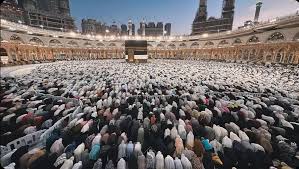
Masjid al-Haram is overwhelming in every sense:
- Massive crowds
- Constant movement
- Loud environment
- Strong visual stimulation
The mind often focuses on processing the environment rather than emotions.
2. Travel fatigue
Long flights, jet lag, and physical exhaustion reduce emotional sensitivity. Even spiritually meaningful moments can feel muted when the body is tired.
3. Focus on practical concerns
Many pilgrims are mentally occupied with:
- Navigating the crowds
- Performing rituals correctly
- Keeping up with group schedules
- Avoiding mistakes
This practical focus reduces emotional reflection.
4. Delayed emotional processing
For many people, emotions do not appear instantly. Instead, they develop later:
- During Tawaf when the mind becomes calmer
- In quiet moments of dua or prayer
- At night in Masjid al-Haram
- After returning home and reflecting
The heart often processes meaning slowly rather than immediately.
5. Personality differences
Some people naturally experience emotions internally rather than outwardly. They may feel deeply without crying or showing visible reactions.
Silence does not mean absence of feeling.
Not Feeling Emotional Does NOT Mean Weak Faith
One of the biggest misunderstandings is assuming that emotional intensity equals strong faith.
This is not true.
Faith is not measured by:
- Tears
- Emotional highs
- Visible reactions
Faith is measured by:
- Sincerity
- Consistency in worship
- Submission to Allah
- Effort and intention
Some of the strongest faith exists quietly, without outward expression.
Many Pilgrims Experience This but Don’t Speak About It
A large number of pilgrims feel calm or emotionally neutral during Umrah but rarely talk about it.
This silence often happens because they feel:
- Confused
- Embarrassed
- Afraid something is wrong
Later, many realize:
- They were not alone
- Their experience was normal
- The meaning of the journey unfolds gradually
In reality, this is a far more common experience than social media suggests.
When Do Emotions Usually Come?
For many people, emotional connection develops over time rather than instantly.
It may happen:
- During repeated Tawaf when the heart becomes calmer
- In sujood when distractions fade
- During late-night prayers in the Haram
- After returning home during reflection
Sometimes, the deepest emotional impact is not felt during the journey itself, but after it ends.
What You Should Avoid
Try not to:
- Compare your experience with others
- Force emotional reactions
- Judge your spirituality based on feelings
- Feel guilty for not reacting “correctly”
Pressure removes peace and replaces it with unnecessary anxiety.
What You Should Focus On Instead
Instead of asking “Why don’t I feel enough?”, shift your focus to:
- Am I present in this moment?
- Am I grateful to be here?
- Am I fulfilling my worship correctly?
- Am I turning my heart toward Allah, even quietly?
Spiritual connection is not always emotional. Sometimes it is calm awareness, sincerity, and quiet presence.
What This Really Means for Your Umrah Experience
Not feeling emotional during Umrah is far more common than people realize. The expectation of constant tears or overwhelming feelings often comes from idealized stories, social media highlights, or assumptions—not from religious requirements.
Your experience is still valid, meaningful, and complete, even if it feels quiet or ordinary in the moment.
Sometimes the heart does not react loudly at first. It processes slowly, deeply, and silently.
And often, the true impact of Umrah is not what you feel during the journey—but what stays with you long after you return home.