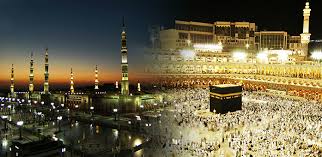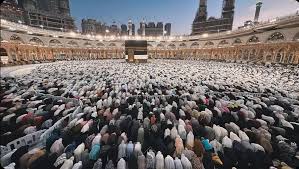
Seeing the Kaaba for the first time is one of the most anticipated moments in a Muslim’s life. Many people spend years imagining it, picturing themselves standing in Masjid al-Haram, looking at the sacred House of Allah, and suddenly breaking into tears or feeling an overwhelming wave of emotion.
But when the moment actually arrives, not everyone reacts that way.
Some people feel calm. Some feel quiet. Some feel distracted, confused, or simply… normal.
And that often leads to a painful question:
“Why am I not feeling what I was supposed to feel? Am I doing something wrong? Am I sinful?”
The answer is simple, gentle, and reassuring: No, you are not sinful, and nothing is wrong with you.
There Is No “Required Emotion” in Islam
Islam never assigns a required emotional reaction to seeing the Kaaba.
You are not commanded to:
- Cry on sight
- Feel instant spiritual shock
- Experience overwhelming emotion
- React in a visible or dramatic way
Because emotions are not acts of worship that can be forced. They are not obligations. They are not measures of faith.
What Islam actually values is:
- Your intention (niyyah)
- Your sincerity toward Allah
- Your effort in worship
- Your submission in action, not appearance
Your heart is not judged by how loudly it reacts, but by where it turns.
Why Many People Expect to Feel Overwhelmed
The expectation often comes from stories, videos, and personal experiences shared by others. People remember the ones who cried, who trembled, who fell silent in awe.
But what is rarely shared is this truth:
Not everyone feels that way immediately.
Some common reasons include:
- Emotional overload from travel and exhaustion
- Mental focus on crowds, directions, and surroundings
- The shock of finally arriving after a long journey
- A quiet personality that processes emotions internally
- A delayed emotional response that comes later
Seeing the Kaaba for the first time is not just an emotional moment — it is also physically and mentally overwhelming. Your mind may simply be trying to process everything at once.
Feeling “Nothing” Does Not Mean You Feel Nothing Inside
One of the most important misunderstandings is this:
Not feeling emotional on the outside does not mean your heart is empty.
Sometimes, the heart feels quietly instead of loudly.
You may be:
- Processing the moment slowly
- Focused on staying aware in a crowded place
- Mentally adjusting to the reality of being there
- Simply too overwhelmed in a different, non-emotional way
Silence is also a form of presence.
Stillness is also a form of response.
You Are Not Less Faithful Because You Didn’t Cry
This is something many pilgrims worry about but rarely say out loud.
Not crying does not mean:
- Your faith is weak
- Your Umrah is incomplete
- Your connection with Allah is lacking
- You have failed spiritually
Faith is not measured by tears. It is measured by direction — where your heart is turning, not how it expresses itself.
Some of the strongest faith exists quietly, without visible emotion.
When Do Emotions Usually Come?
For many pilgrims, emotions do not appear instantly. They unfold gradually.
Sometimes it happens:
- During Tawaf, when the heart becomes calmer
- In sujood, when everything else fades away
- Late at night in Masjid al-Haram, when silence takes over
- After returning home, when memories settle deeply
And sometimes, the emotion is not tears at all — but a quiet change inside that stays forever.
Everyone Experiences the Kaaba Differently
In Masjid al-Haram, there is no single way to feel.
You will see:
- People crying intensely
- People standing silently in awe
- People smiling softly
- People looking around in quiet disbelief
- People simply walking, processing everything slowly
All of these are normal. All of these are real. None of them are wrong.
The Kaaba does not demand a reaction. It invites a presence.
A Gentle Truth Many People Realize Later
Many pilgrims only understand this after their journey ends:
The most powerful changes are not always emotional in the moment.
Sometimes, the impact of seeing the Kaaba becomes clear later:
- In your prayers back home
- In moments of reflection
- In a sudden memory that brings peace
- In a quiet sense of closeness to Allah that wasn’t there before
Spiritual experiences are not always instant. Some grow slowly, like something planted in the heart.
What You Should Not Do
Try not to:
- Compare your reaction with others
- Force yourself to feel something
- Judge your spirituality based on emotion
- Feel guilty for being calm
Guilt is not part of worship. Pressure is not part of sincerity.
What You Should Focus On Instead
Instead of asking “Why am I not feeling enough?”, gently shift the question to:
- Am I present in this moment?
- Am I grateful to be here?
- Am I turning my heart toward Allah, even quietly?
That is what truly matters.
Not feeling overwhelmed when seeing the Kaaba for the first time does not make you sinful, distant, or spiritually lacking.
It simply means your experience is unfolding in its own way.
Some hearts react loudly. Others react quietly. But both can be deeply sincere.
What matters is not how strongly you felt in that single moment, but the fact that you stood there, present in Masjid al-Haram, in front of the House of Allah, even if your emotions were silent.
And sometimes, silence is its own form of awe.