Returning from Umrah is often imagined as a moment of pure joy and spiritual fulfillment. Many people expect to come back with a heart full of peace, happiness, and lasting inner strength.
And for many pilgrims, that is exactly what happens.
But for others, something unexpected takes place after returning home.
Instead of only joy, they feel:
- A quiet sadness
- Emotional emptiness
- A sense of longing for Makkah
- Difficulty adjusting back to normal life
- A feeling that something beautiful has suddenly ended
If you have felt this, it is important to understand one simple truth:
You are not alone, and nothing is wrong with you.
This emotional shift is widely experienced, even if it is rarely spoken about.
The Emotional Contrast Between Makkah and Home
During Umrah, life feels completely different. Your entire focus is centered around worship, simplicity, and presence.
You are in a place where:
- Every call to prayer feels alive
- Every step feels meaningful
- Every dua feels closer
- The Kaaba is always in your awareness
- Life feels spiritually structured
Then suddenly, you return to a completely different environment:
- Work and responsibilities
- Daily stress and routines
- Noise, distractions, and busyness
- Less spiritual focus in surroundings
This contrast between two very different emotional worlds often creates what many pilgrims describe as a “drop” after returning.
It is not loss of faith — it is emotional transition.
Missing Makkah Is a Real Emotional Experience
One of the strongest reasons for this feeling is simply missing Makkah itself.
Many pilgrims deeply miss:
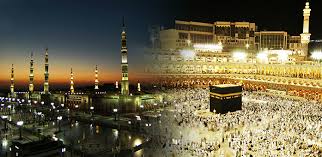
- The sight of the Kaaba
- The feeling of Tawaf
- The peaceful moments inside Masjid al-Haram
- The sound of the Adhan echoing in the Haram
- The sense of unity among millions of believers
In Arabic, this longing can be expressed as:
شوق إلى مكة (shawq ila Makkah) — longing for Makkah
This “shawq” is not a weakness. In fact, it often reflects how meaningful the journey was for the heart.
The Natural Emotional Adjustment After Intense Experiences
Human emotions do not remain at peak intensity forever.
Umrah is:
- spiritually intense
- emotionally powerful
- mentally absorbing
- physically demanding
While you are in Makkah, your mind is fully engaged in the moment. After returning, your emotional system begins to settle back into normal life.
This adjustment can feel like:
- emotional silence after intensity
- stillness after movement
- emptiness after fullness
- quiet reflection after spiritual energy
It is similar to returning from any deeply meaningful experience — except Umrah carries far greater spiritual weight.
It Is Not a Sign of Weak Faith
One of the most important misunderstandings is believing that this emotional feeling reflects your level of faith.
This is not true.
Feeling low after Umrah does NOT mean:
- Your Umrah was not accepted
- Your iman is weak
- You did something wrong spiritually
- You are distant from Allah
In Islam, acceptance is not measured by emotional stability after travel.
What matters is:
- Your intention (نية)
- Your sincerity
- Your effort in worship
- Your submission to Allah
Allah says in the Qur’an:
“Indeed, Allah does not burden a soul beyond that it can bear.” (سورة البقرة 2:286)
This includes emotional experiences as well.
Why the Heart Keeps Returning to Makkah
After returning home, many pilgrims notice that their thoughts often drift back to Makkah.
They remember:
- The first sight of the Kaaba
- The moments of dua during Tawaf
- The quiet tears in prayer
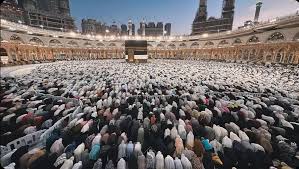
- The feeling of standing among millions in worship
In Arabic, longing for sacred places is often described as:
حنين (haneen) — deep emotional longing
This “haneen” is not something to suppress. It is a reminder that the heart has connected with something meaningful.
The Quiet Spiritual Impact of Umrah
Not all spiritual changes are visible immediately.
Some changes are:
- internal rather than emotional
- gradual rather than instant
- subtle rather than dramatic
You may not realize it at first, but over time, Umrah often leaves behind:
- a softer heart
- increased awareness of prayer
- deeper reflection about life
- stronger connection to Allah in private moments
Sometimes the impact of Umrah is not felt in the moment — but revealed later in how you live afterward.
The Feeling Eventually Transforms
For most people, this emotional phase does not stay forever.
Over time, the sadness often turns into:
- gratitude (شكر)
- reflection (تفكر)
- peace (سكينة)
- and a deep hope of returning again one day
What begins as emotional heaviness slowly becomes a meaningful memory that stays in the heart for life.
Many pilgrims later say:
“I didn’t realize how much it changed me until much later.”
A Quiet Change Inside
Feeling sad, empty, or emotionally low after returning from Umrah is a deeply human experience. It happens when the heart moves from a sacred, spiritually focused environment back into everyday life.
This feeling is not a sign of weakness or spiritual failure. It is a reflection of connection — a quiet proof that your journey meant something to you.
In Arabic, this journey can be summarized beautifully:
“سافر القلب إلى مكة، وعاد الجسد إلى الدنيا” The heart traveled to Makkah, while the body returned to the world.
And even after returning, a part of the heart often remains there — in a place where millions stood in worship, and where the soul felt closest to its Creator.