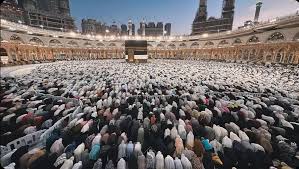
Umrah is not merely a sequence of rituals. It is a journey of the heart, where every step echoes with remembrance of Allah, every movement reflects humility, and every moment draws the believer closer to their Creator.
As you step into this sacred journey, you are answering a divine invitation — a call that millions dream of hearing:
“Labbayk Allahumma Labbayk…”
Here I am, O Allah, here I am.
Main Steps of Umrah
The journey of Umrah unfolds in four essential pillars:
- Ihram (الإحرام) – Entering the sacred state of devotion
- Tawaf (الطواف) – Circling the Kaaba in worship
- Sa’i (السعي) – Walking between Safa and Marwa
- Halq or Taqsir (الحلق أو التقصير) – Completing the pilgrimage with humility
Each act is simple in form but profound in meaning — a reminder that nearness to Allah is found in sincerity, not complexity.
Ihram (الإحرام) – The Moment You Leave the World Behind
Before entering Ihram, you are still in the world. After it, you are in Allah’s presence.
Purification Before the Journey
The Prophet ﷺ loved purity before worship. Enter this state with care:
- Perform ghusl (غسل) if possible
- Trim nails and clean the body
- Apply fragrance before wearing Ihram (men only)
The intention is not external beauty, but inner readiness.
The Garment of Equality
In Ihram, all distinctions disappear.
Men wear two simple white sheets:
- Izar (إزار) – lower garment
- Rida (رداء) – upper garment
Women wear modest clothing that reflects dignity and humility.
There are no symbols of wealth, rank, or status — only servants standing before their Lord.
As the scholars said:
“In Ihram, the king and the servant are equal in the sight of Allah.”
Miqat (الميقات) – The Threshold of Intention
The Miqat is not just a place — it is a boundary between ordinary life and sacred devotion.
When you reach it, pause and feel its weight.
Here you say:
اللَّهُمَّ إِنِّي أُرِيدُ الْعُمْرَةَ فَيَسِّرْهَا لِي وَتَقَبَّلْهَا مِنِّي Allāhumma innī urīdu al-ʿUmrah fa yassirhā lī wa taqabbalhā minnī “O Allah, I intend to perform Umrah, so make it easy for me and accept it from me.”
At this moment, your journey officially begins.
Talbiyah (التلبية) – The Voice of Submission
After intention, your tongue awakens with remembrance:
لَبَّيْكَ اللَّهُمَّ لَبَّيْكَ لَبَّيْكَ لَا شَرِيكَ لَكَ لَبَّيْكَ إِنَّ الْحَمْدَ وَالنِّعْمَةَ لَكَ وَالْمُلْكُ لَا شَرِيكَ لَكَ
Translation: Here I am, O Allah, here I am. You have no partner. All praise, blessings, and sovereignty belong to You.
The Prophet ﷺ said:
“No Muslim recites Talbiyah except that everything to his right and left — stones, trees, and soil — responds with him.”
You are no longer traveling alone. The entire creation joins your remembrance.
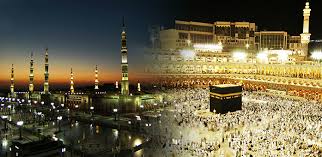
Entering Makkah – The City of Light
As Makkah appears on the horizon, something changes within you.
The heart becomes still. The eyes soften. The soul recognizes its origin.
Continue reciting:
لَا إِلٰهَ إِلَّا اللَّهُ اللَّهُ أَكْبَرُ وَلِلَّهِ الْحَمْدُ
“There is no god but Allah. Allah is the Greatest. To Him belongs all praise.”
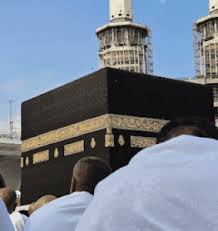
First Sight of the Kaaba – The Moment of Lifetimes
When your eyes finally fall upon the Kaaba, time feels different.
Scholars say this is one of the moments when du’a is most accepted.
Raise your hands and ask Allah from your heart.
Say:
اللَّهُ أَكْبَرُ، لَا إِلٰهَ إِلَّا اللَّهُ
Then speak to Allah in your own words — no script, no barrier, just sincerity.
Imam Ibn Al-Qayyim wrote:
“The heart at that moment is either overwhelmed with light or deprived of it — depending on its sincerity.”
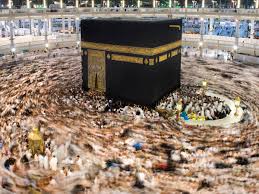
Tawaf (الطواف) – Circling the Heart of Worship
You begin Tawaf at Hajar al-Aswad (الحجر الأسود).
Each step around the Kaaba is not just movement — it is devotion orbiting divine mercy.
The Kaaba remains still, while the believer moves — symbolizing that Allah is the center, and life revolves around Him.
Istilam – Greeting the Black Stone
When you reach the Black Stone, say:
بِسْمِ اللَّهِ وَاللَّهُ أَكْبَرُ
If you can kiss it, do so gently. If you cannot, raise your hand toward it and acknowledge its sanctity.
The Prophet ﷺ said:
“The Black Stone will come on the Day of Judgment with eyes and a tongue, testifying for those who touched it sincerely.”
Tawaf – A Conversation With Allah
During Tawaf, there is no fixed script.
You may say:
سُبْحَانَ اللَّهِ الْحَمْدُ لِلَّهِ لَا إِلٰهَ إِلَّا اللَّهُ اللَّهُ أَكْبَرُ
Or simply speak from your heart.
A scholar once said:
“Tawaf is not about how many words you say, but how present your heart is.”
Rukn al-Yamani – The Silent Corner of Mercy
When passing the Yemeni Corner, touch it if possible and say:
رَبَّنَا آتِنَا فِي الدُّنْيَا حَسَنَةً وَفِي الْآخِرَةِ حَسَنَةً وَقِنَا عَذَابَ النَّارِ
“Our Lord, give us goodness in this world and goodness in the Hereafter, and protect us from the Fire.”
After Tawaf – Standing Before Allah Again
After seven circuits, you pray two rak’ahs near Maqam Ibrahim if possible.
Recite:
قُلْ يَا أَيُّهَا الْكَافِرُونَ قُلْ هُوَ اللَّهُ أَحَدٌ
Then drink Zamzam water with intention.
The Prophet ﷺ said:
“Zamzam is for whatever it is drunk for.”
So drink with hope, certainty, and du’a.
Sa’i (السعي) – The Walk of Hajar (AS)
Sa’i is the story of struggle, trust, and divine response.
Hajar (AS) ran between Safa and Marwa searching for water for her son — and Allah responded with Zamzam.
The Prophet ﷺ said:
“This is why people perform Sa’i between them.”
Between Safa and Marwa – A Journey of Hope
At Safa, you say:
إِنَّ الصَّفَا وَالْمَرْوَةَ مِنْ شَعَائِرِ اللَّهِ
Then:
أَبْدَأُ بِمَا بَدَأَ اللَّهُ بِهِ
“I begin with what Allah has begun with.”
During Sa’i, there is no restriction on du’a — speak freely, cry if needed, ask without hesitation.
Halq or Taqsir – Returning Renewed
After Sa’i, men shave or trim their hair. Women trim a small portion.
The Prophet ﷺ said:
“May Allah have mercy on those who shave their heads.”
This marks the completion of Umrah — a return to purity.
Completion of Umrah – A New Beginning
When you complete Umrah, you are not the same person who began it.
You return with:
- Sins forgiven
- Heart softened
- Soul awakened
But the greatest reward is not just what you did — it is who you have become.
Final Reflection
Umrah is not an ending. It is a beginning.
A beginning of remembrance after neglect. A beginning of humility after pride. A beginning of closeness after distance.
As Allah says:
“And whoever honors the شعائر of Allah — it is truly from the piety of the hearts.” (Qur’an 22:32)
May Allah accept your Umrah, purify your heart, forgive your sins, and invite you again and again to His sacred House.
اللَّهُمَّ تَقَبَّلْ مِنَّا إِنَّكَ أَنْتَ السَّمِيعُ الْعَلِيمُ