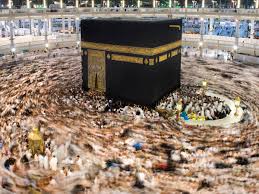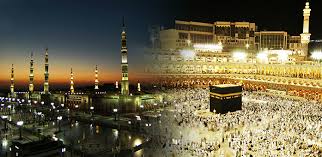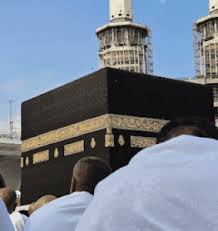
Tawaf is one of the most important acts of worship performed in Masjid al-Haram, Makkah. It involves circling the Kaaba seven times in an anti-clockwise direction while engaging in dhikr, dua, and remembrance of Allah.
However, not all Tawaf is the same. Many pilgrims get confused between different types, especially during Hajj, when multiple Tawafs are performed at different stages of the journey.
The three most commonly discussed types are:
- Tawaf al-Qudum
- Tawaf al-Ifadah
- Nafl Tawaf
Each has a different purpose, timing, and level of obligation. Understanding these differences is essential for performing Hajj correctly and confidently.
What Is Tawaf in Islam?
Tawaf means walking around the Kaaba seven times, starting from the Black Stone (Hajr al-Aswad) and moving in an anti-clockwise direction.
It is performed:
- As part of Hajj and Umrah rituals
- As an act of voluntary worship
- At specific stages depending on the type of pilgrimage
While the action looks similar, the intention (niyyah), timing, and rulings change depending on the type of Tawaf being performed.
Tawaf al-Qudum (Arrival Tawaf)
Tawaf al-Qudum is known as the arrival Tawaf and is performed when a pilgrim first enters Masjid al-Haram for Hajj.
It is mainly associated with pilgrims coming from outside Makkah for Hajj, especially those performing Hajj al-Ifrad or Hajj al-Qiran.
Purpose of Tawaf al-Qudum
The purpose of this Tawaf is to:
- Welcome the pilgrim into Makkah
- Begin the Hajj journey with an act of worship
- Show gratitude upon reaching the sacred city
It is considered a Sunnah (recommended) act, not a pillar of Hajj.
When is it performed?
- After entering Masjid al-Haram
- Before the main Hajj rituals begin
- Usually upon arrival in Makkah
Who performs it?
- Hajj pilgrims (not Umrah pilgrims)
- Typically those performing Hajj al-Ifrad or Qiran
Important note
If a pilgrim delays or skips Tawaf al-Qudum, the Hajj is still valid because it is not obligatory.
Tawaf al-Ifadah (Main Tawaf of Hajj)
Tawaf al-Ifadah is one of the most important pillars of Hajj. Without it, the Hajj is not complete.
It is also known as the Tawaf of visiting or returning, as it symbolizes returning to the Kaaba after completing the main Hajj rituals.
Purpose of Tawaf al-Ifadah
This Tawaf represents:
- A core obligation of Hajj
- Completion of a major stage of pilgrimage
- Spiritual renewal after standing in Arafat
When is it performed?
Tawaf al-Ifadah is performed after:
- Standing at Arafat (Wuquf al-Arafat)
- Spending the night in Muzdalifah
- Performing sacrifice (for some pilgrims)
It is usually done between the 10th and 12th of Dhul Hijjah.
Who performs it?
- All Hajj pilgrims without exception
Important note
Tawaf al-Ifadah is a pillar (rukn) of Hajj. If it is not performed, the Hajj is incomplete and remains invalid until it is done.
Nafl Tawaf (Voluntary Tawaf)
Nafl Tawaf is a non-obligatory (voluntary) Tawaf that can be performed at any time when a person is inside Masjid al-Haram.
Unlike other types of Tawaf, it is not tied to any specific ritual or stage of Hajj or Umrah.
Purpose of Nafl Tawaf
Nafl Tawaf is performed for:
- Extra reward and spiritual closeness to Allah
- Personal devotion and reflection
- Increasing good deeds in the sacred mosque
When is it performed?
- Any time during your stay in Makkah
- Day or night, depending on crowd conditions
- As often as a pilgrim wishes
Who performs it?
- Any Muslim present in Masjid al-Haram
- Hajj pilgrims, Umrah pilgrims, or visitors
Important note
There is no limit to Nafl Tawaf. It is purely voluntary and highly rewarded.
Key Differences Between the Three Types of Tawaf
Here is a simple breakdown to avoid confusion:
Tawaf al-Qudum
- Type: Sunnah
- When: Upon arrival in Makkah for Hajj
- Who: Hajj pilgrims
- Purpose: Arrival and welcome Tawaf
Tawaf al-Ifadah
- Type: Obligatory (Rukn of Hajj)
- When: After Arafat and main Hajj rituals
- Who: All Hajj pilgrims
- Purpose: Essential pillar of Hajj completion
Nafl Tawaf
- Type: Voluntary
- When: Any time
- Who: Anyone in Masjid al-Haram
- Purpose: Extra reward and devotion
Common Mistakes Pilgrims Make
Many pilgrims, especially first-timers, get confused between these Tawafs. Some common mistakes include:
❌ Thinking all Tawaf are the same
Each Tawaf has a different intention and ruling.
❌ Confusing Tawaf al-Ifadah with Umrah Tawaf
Umrah Tawaf is part of Umrah, while Tawaf al-Ifadah is a pillar of Hajj.
❌ Assuming Tawaf al-Qudum is compulsory
It is recommended, not obligatory.
❌ Missing timing of Tawaf al-Ifadah
Delaying it too much without valid reason can affect completion of Hajj.
Simple Hajj Timeline Context
To understand better, here is how Tawaf fits into Hajj:
- Enter Makkah → Tawaf al-Qudum (optional Sunnah)
- 8th Dhul Hijjah → Go to Mina
- 9th Dhul Hijjah → Arafat (main ritual)
- Night in Muzdalifah
- 10th Dhul Hijjah → Sacrifice & rituals
- Then → Tawaf al-Ifadah (essential pillar)
Nafl Tawaf can be performed at any stage when in Makkah.
Understanding the difference between Tawaf al-Qudum, Tawaf al-Ifadah, and Nafl Tawaf is essential for every pilgrim. Each serves a unique purpose in the journey of Hajj and spiritual worship.
While Tawaf al-Qudum marks arrival and Nafl Tawaf offers voluntary reward, Tawaf al-Ifadah remains one of the most important pillars of Hajj.
When understood correctly, these acts of worship become easier, more meaningful, and spiritually fulfilling during your journey in Makkah.