One of the most important stages in preparing for Umrah or Hajj is entering the state of Ihram at or before the designated Miqat point. The Miqat is not just a travel checkpoint; it is a sacred boundary established by Islamic tradition where pilgrims must formally begin their journey of worship.
However, many pilgrims especially first-time travelers—become anxious about one common and stressful situation:
What happens if you pass the Miqat without entering Ihram? Is your Umrah still valid? What should you do next?
This is a serious question, but the answer is also filled with clarity and mercy. While missing Miqat is considered a mistake, it does not automatically end your pilgrimage. It can still be corrected.
Understanding What Miqat Actually Means
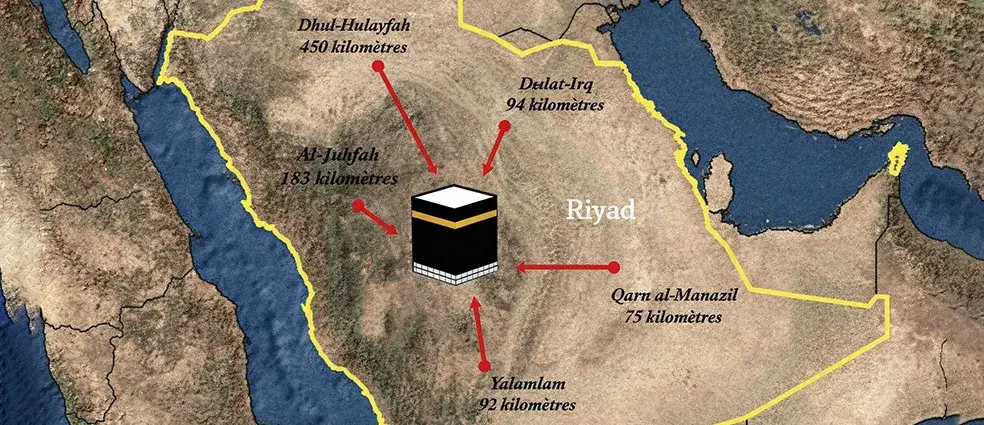
Miqat refers to specific boundary points set for people intending to perform Hajj or Umrah. These points mark where a pilgrim must enter Ihram before proceeding toward Makkah.
There are different Miqat points depending on the direction of travel, such as:
- Dhul Hulaifah (for those coming from Madinah)
- Juhfah (for those coming from the northwest routes)
- Qarn al-Manazil (for Najd and central regions)
- Yalamlam (for those coming from the south)
For air travelers, the Miqat is crossed in the sky, which often causes confusion if passengers are not prepared in advance.
The purpose of Miqat is not just geographical. It is symbolic. It marks the transition from ordinary travel to a sacred journey of worship.
What It Means to Miss the Miqat
Missing the Miqat means that a person:
- Passed the designated boundary
- Was not in the state of Ihram at that time
- Intended to perform Umrah or Hajj
This usually happens due to:
- Lack of awareness about Miqat timing
- Sleeping during a flight
- Not being informed by travel arrangements
- Delaying Ihram preparation
Although it is considered a mistake in pilgrimage preparation, it is not something that cancels your entire journey.
Does Missing the Miqat Cancel Your Umrah or Hajj?
The short answer is no.
Missing the Miqat does not automatically invalidate your intention or your pilgrimage. However, it does create a requirement to correct the mistake before continuing.
Islamic rulings treat this as a violation of a boundary, not the cancellation of worship itself.
This is an important distinction:
- The intention to perform Umrah or Hajj remains valid
- But the method must be corrected before proceeding
What You Should Do If You Realize You Missed Miqat
If you realize that you have already crossed the Miqat without entering Ihram, the response depends on your situation.
If You Are Still Able to Stop (Car or Bus Travel)
If you are traveling by land and realize the mistake:
- Stop immediately at the nearest safe point
- Enter Ihram right away
- Make your intention for Umrah or Hajj
- Begin reciting Talbiyah
Even though you missed the proper timing, entering Ihram immediately is required to correct the situation.
If You Are on a Flight
This is one of the most common situations.
Many pilgrims miss Miqat on flights due to:
- Sleep
- Lack of announcement clarity
- Not knowing the exact timing
If this happens:
- Enter Ihram immediately once you realize
- Do not delay the intention
- Follow crew instructions if available
Airlines often announce Miqat, but announcements may not always be clear or noticed by all passengers.
If You Have Already Reached Makkah
If you arrive in Makkah without Ihram while intending Umrah:
- You should return to Miqat if possible and enter Ihram properly
If returning is not possible:
- You must enter Ihram from your current location
- A compensatory sacrifice (dam) may be required depending on scholarly opinion
This is done in Makkah and distributed to those in need.
Is There a Penalty for Missing Miqat?
In many Islamic rulings, missing Miqat without entering Ihram requires a form of compensation known as “dam.”
This involves:
- Offering a sacrifice (such as a sheep)
- The meat being distributed to the poor in Makkah
However, the requirement can vary based on circumstances such as:
- Whether the mistake was intentional or unintentional
- Whether the pilgrim had knowledge of Miqat rules
- Whether correction was made immediately
Even with a penalty, the pilgrimage itself is not canceled.
Why Miqat Rules Are Important
The Miqat is not a restriction meant to create difficulty. It serves a deeper purpose:
It marks a mental and spiritual transition from normal life into a sacred state of worship. Entering Ihram before crossing Miqat ensures that a pilgrim is spiritually prepared before reaching Makkah.
It also brings discipline, awareness, and respect to the journey of Umrah or Hajj.
Common Reasons Pilgrims Miss Miqat
Many cases are not due to negligence but simple human error:
- Fatigue from long travel
- Sleeping during flights
- Lack of clear information
- Misunderstanding travel instructions
- Assuming Ihram can be entered later in Makkah
Understanding these causes helps prevent future mistakes.
How to Avoid Missing Miqat in the Future
Preparation is key. Pilgrims can avoid this issue by:
- Knowing the Miqat point before traveling
- Wearing Ihram before boarding the flight if possible
- Setting reminders for expected Miqat crossing time
- Listening carefully to announcements on flights
- Asking travel guides or airline staff for clarification
- Simple preparation removes most confusion.
Important Islamic Principle
Islamic teachings emphasize both responsibility and mercy. When mistakes happen in worship, the focus is not on punishment alone but on correction and continuation.
Missing Miqat is a mistake that requires correction, not despair. The door to completing your pilgrimage remains open.
Missing the Miqat before entering Ihram is a common concern among pilgrims, especially first-time travelers. While it is considered a mistake, it does not cancel your intention to perform Umrah or Hajj.
The key is to act immediately, correct the situation by entering Ihram as soon as you realize, and follow the necessary steps based on your location.
Islam always provides a way forward. Even when mistakes happen, the path to completing your worship remains open, guided by mercy, correction, and sincere intention.