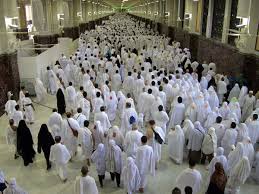
Tawaf is one of the most important acts of worship in Masjid al-Haram, where pilgrims circle the Kaaba seven times in devotion, remembrance, and prayer. Because of its spiritual significance, Tawaf has specific conditions that must be fulfilled for it to be valid.
One of the most important conditions is being in a state of wudu (ablution).
This leads to a very common and important question among pilgrims:
What happens if your wudu breaks during Tawaf? Do you continue, pause, or restart completely?
The answer is clear in Islamic rulings, but the real-life application can feel confusing in crowded conditions like Masjid al-Haram. This guide explains everything in detail so you can perform Tawaf confidently and correctly.
Why Wudu Is Essential for Tawaf
Most Islamic scholars agree that wudu is a condition for the validity of Tawaf.
This means:
- You must start Tawaf in a state of wudu
- You must maintain wudu throughout Tawaf
- If wudu breaks, the condition is no longer fulfilled
Tawaf is considered a form of worship that requires purity, similar in importance (in terms of conditions) to Salah.
So wudu is not optional—it is a validity requirement.
Why Wudu Breaks Easily During Tawaf
Inside Masjid al-Haram, especially during Umrah and Hajj seasons, maintaining wudu can be challenging due to:
Natural bodily needs
- Passing wind
- Needing the restroom
- Fatigue or dehydration
Heavy crowd conditions
- Constant movement pressure
- Accidental physical contact (depending on interpretation)
- Long waiting times in crowded areas
Time spent during Tawaf
- Tawaf can take longer during peak seasons
- More time increases chances of wudu breaking naturally
Because of these realities, pilgrims must be prepared for possible interruptions.
What Happens If Wudu Breaks During Tawaf?
⚠️ Core ruling:
If your wudu breaks during Tawaf, the Tawaf becomes invalid from that point.
This means:
- You cannot continue Tawaf in that state
- The completed rounds are not counted as a valid Tawaf
- You must restart after renewing wudu
Even if you were on your 6th or 7th round, the Tawaf is not complete if wudu broke during the process.
What You Must Do Immediately
If your wudu breaks during Tawaf, follow these steps carefully:
Step 1: Stop Tawaf immediately
- Do not continue walking in Tawaf
- Step out of the Tawaf flow safely
- Avoid disturbing crowd movement
Step 2: Go and perform fresh wudu
- Leave the Mataf area calmly
- Perform complete wudu again
- Ensure full purification before returning
Step 3: Restart Tawaf from the beginning
- Return to the Kaaba area
- Begin a new Tawaf with correct intention (niyyah)
- Start again from Hajr al-Aswad
Why Tawaf Must Be Restarted
Unlike short interruptions such as:
- Prayer breaks
- Crowd stoppages
- Short rest or water breaks
These do NOT break Tawaf.
But wudu is different because:
- It is a validity condition
- Without it, worship is not considered correct
- The entire act must be performed in a pure state
So even if you completed multiple rounds, they are not counted if wudu broke during Tawaf.
Important Islamic Principle (To Reduce Confusion)
Islamic jurisprudence includes a very important rule:
“Certainty is not removed by doubt.”
This means:
- If you are certain your wudu broke → Tawaf is invalid
- If you are only unsure → you assume wudu is still valid
Only certainty—not doubt—changes your ruling.
Real-Life Examples in Masjid al-Haram
Let’s understand practical situations pilgrims actually face:
Example 1: Wudu breaks at round 4
- You are performing Tawaf
- You pass wind or lose wudu
- You stop immediately
- Perform wudu again
- ✔ You must restart Tawaf completely
Example 2: You finish Tawaf but unsure about wudu
- No clear evidence wudu broke
- Only suspicion or doubt
- ✔ Tawaf remains valid
Example 3: Crowd contact during Tawaf
- Heavy contact in Mataf
- No clear nullification of wudu
- ✔ Tawaf continues normally
Example 4: Wudu breaks in last round
- Even if it happens at 7th round
- ❌ Tawaf is not valid
- ✔ Restart required
Common Mistakes Pilgrims Make
Many pilgrims unintentionally make mistakes due to lack of clarity:
❌ Continuing Tawaf after wudu breaks
This invalidates the entire Tawaf.
❌ Overthinking doubts
Feeling unsure is not enough to invalidate wudu.
❌ Not preparing before Tawaf
Many issues happen because pilgrims:
- Don’t use restroom before starting
- Don’t renew wudu before entering Mataf
❌ Assuming crowd contact breaks wudu automatically
This depends on Islamic school of thought and is not always valid.
Practical Tips to Avoid Wudu Issues During Tawaf
✔️ Always renew wudu before starting Tawaf
Even if you already have wudu, refreshing it is recommended.
✔️ Use restroom before entering Tawaf area
This reduces interruptions significantly.
✔️ Avoid rushing water intake right before Tawaf
Helps reduce mid-Tawaf breaks.
✔️ Stay calm in crowds
Stress can lead to confusion and unnecessary doubts.
✔️ Choose less crowded timing if possible
Late night or early morning Tawaf is easier to manage.
Why This Rule Exists (Wisdom Behind It)
The requirement of wudu ensures:
- Physical cleanliness
- Spiritual readiness
- Respect for the sacred act of worship
Even though restarting Tawaf may feel difficult, especially in crowds, it ensures the act is performed in a complete and correct state of worship.
If your wudu breaks during Tawaf, the Tawaf is no longer valid and must be restarted after performing fresh wudu. While this may seem strict, it ensures purity and correctness in one of the most sacred acts of worship.
However, it is important to remember that doubt does not break Tawaf, only certainty does.
With proper preparation, calmness, and understanding of the rules, most pilgrims complete Tawaf smoothly without major interruptions.