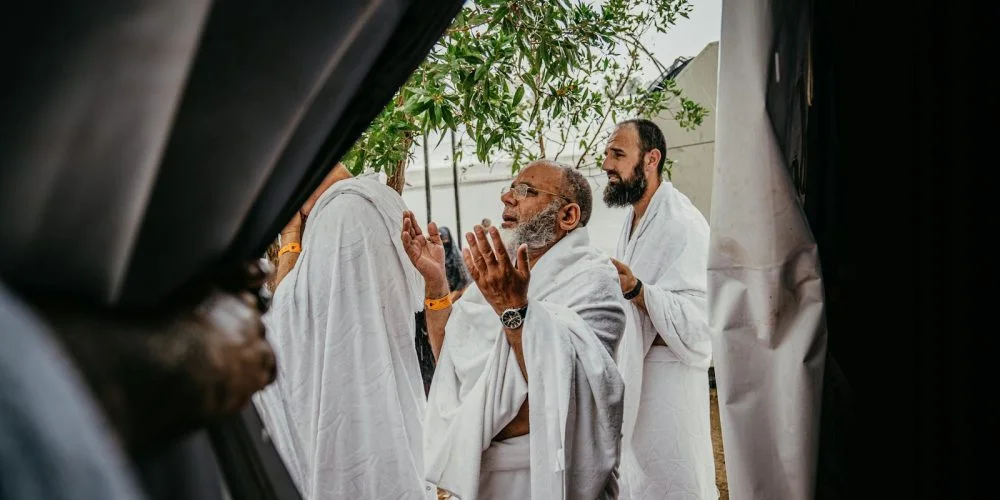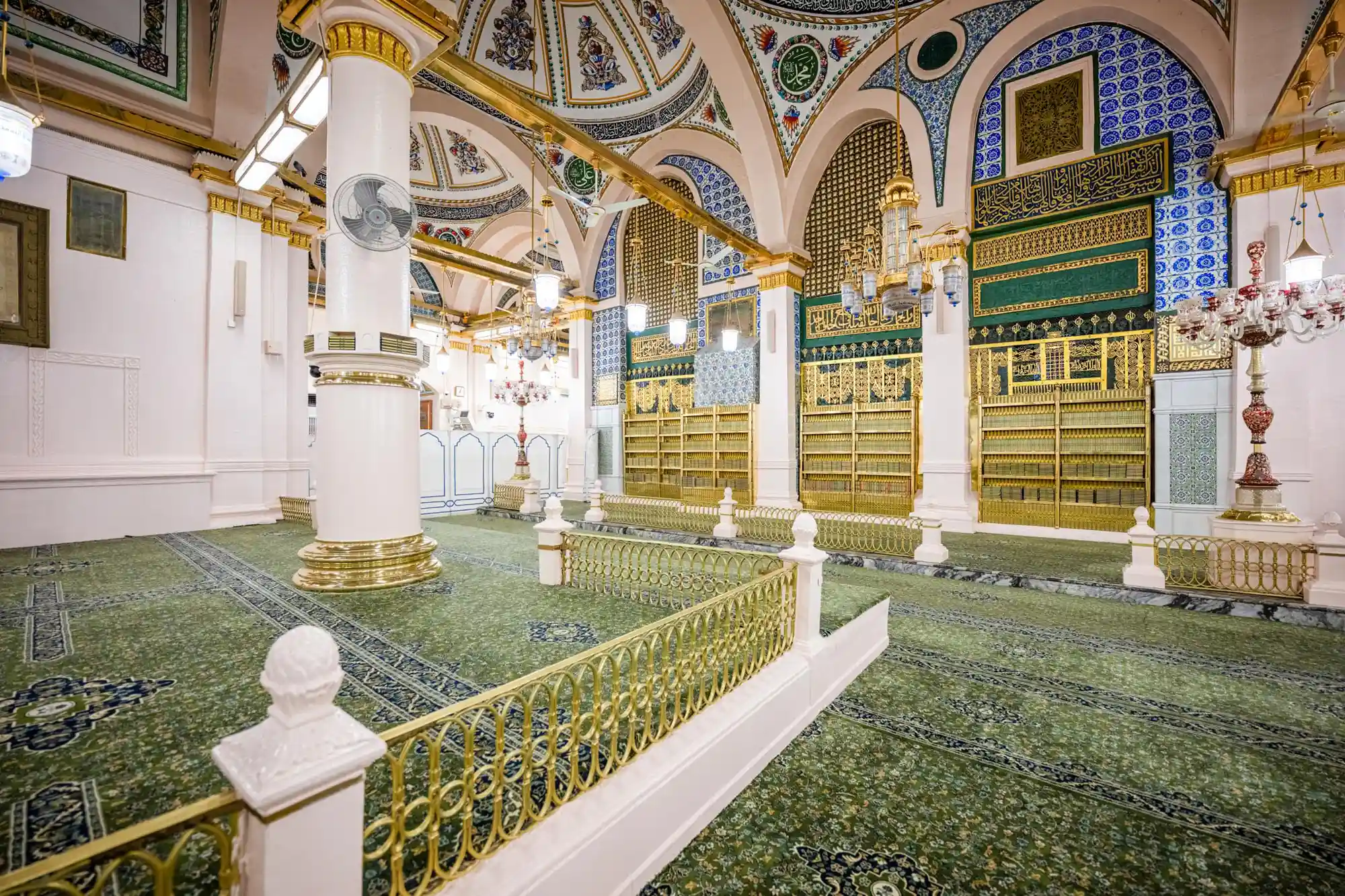
The Rawdah al-Sharifah inside Masjid Nabawi in Madina is one of the most sacred places in Islam, located between the blessed resting place of Prophet Muhammad ﷺ and his pulpit. It is described as a garden from the gardens of Paradise (روضة من رياض الجنة), and for millions of pilgrims, it represents one of the most emotional and spiritually meaningful parts of their entire journey.
Today, visiting the Rawdah is not a walk-in experience. Entry is strictly managed through the Nusuk app, and every visitor must secure a time-based permit in advance due to extreme demand and limited space.
Why Rawdah Entry is Now Controlled Through Nusuk
The Rawdah area is physically small but receives millions of visitors throughout the year. Without regulation, crowding would make access unsafe and unmanageable. For this reason, the Saudi authorities introduced a digital permit system that organizes visits into fixed time slots.
This system ensures:
- Controlled crowd flow inside the Rawdah
- Equal opportunity for all pilgrims
- Better safety and organization during peak seasons
- Reduced waiting chaos at entry points
Understanding the Nusuk Booking Process
To begin, pilgrims must download the Nusuk app and complete full registration using accurate travel documents. This step is essential because the system verifies identity before allowing access to Rawdah permits.
You will typically need:
- Passport details exactly as written on your travel document
- Visa information linked to your entry into Saudi Arabia
- Nationality and date of birth
- Active mobile number and email
Once your profile is verified, the Rawdah permit section becomes available.
How Rawdah Slots Are Released
Rawdah booking is highly competitive. Slots are released in limited batches and often disappear within minutes, especially during Ramadan, Hajj season, and weekends.
Availability depends on:
- Crowd demand at that time
- System-released time batches
- Cancellations from other users
- Seasonal peak or off-peak periods
Because of this, many pilgrims check the app multiple times a day.
How to Secure Your Rawdah Permit
Once slots appear, you select your preferred date and time and confirm instantly through the app. After confirmation, a digital permit is generated in the form of a QR code.
Key points to remember:
- The QR code is your only entry pass
- Screenshots are helpful but not always accepted alone
- No QR code = no entry under any condition
- Missed time slot usually cannot be recovered
What Happens on the Day of Your Visit
Arriving at Masjid Nabawi on time is extremely important, but arriving early is even better. Even with a confirmed booking, entry is managed in groups, and queues are common.
Typical process on arrival:
- Go to the designated Rawdah entry gate
- Join your assigned time-slot queue
- Present QR code for scanning
- Follow staff instructions for movement inside
Delays can happen due to crowd flow, so patience is part of the experience.
Inside the Rawdah – What You Will Experience
Once inside, the atmosphere is deeply spiritual but highly controlled due to limited space and constant movement of pilgrims. The visit is short, usually around 10 to 15 minutes, and every moment matters.
Most pilgrims focus on:
- Sending salawat upon the Prophet ﷺ (اللهم صل وسلم على نبينا محمد)
- Making personal dua for family, health, and forgiveness
- Reciting Quran quietly
- Engaging in dhikr and reflection
- Standing in gratitude and spiritual presence
Because time is limited, it helps to prepare your duas in advance.
Important Rules and Real-World Tips
To avoid problems or missed opportunities, pilgrims should be aware of practical realities:
- Phone must be fully charged for QR scanning
- Entry is strictly time-based; late arrival may cancel access
- Light belongings make movement easier inside crowded areas
- Avoid unnecessary delays outside the gate
- Keep Nusuk app open and ready at entry
Assistance for Elderly and Special Needs Pilgrims
Support is available for elderly pilgrims and those with mobility challenges. In many cases, wheelchair assistance and priority access lanes are provided.
Common support includes:
- Wheelchair services inside Masjid Nabawi
- Staff-guided entry assistance
- Special consideration during crowd movement
- Coordination through travel groups or Nusuk options
It is recommended to request assistance early rather than on the day of arrival.
Making the Most of a Short but Powerful Visit
Even though the Rawdah visit is brief, its spiritual impact is often lifelong. The key is preparation and focus rather than duration. Pilgrims who plan their duas and understand the process usually experience a calmer and more meaningful visit compared to those who arrive unprepared.