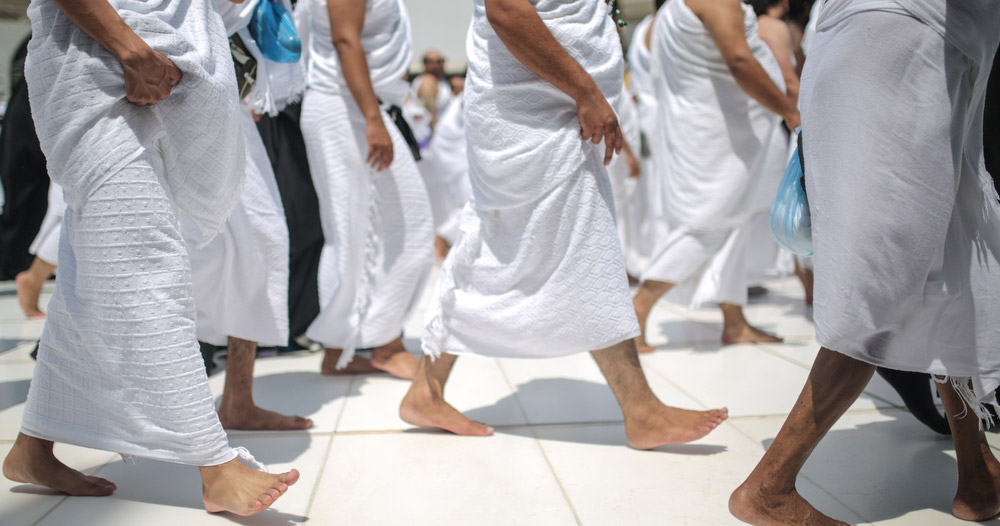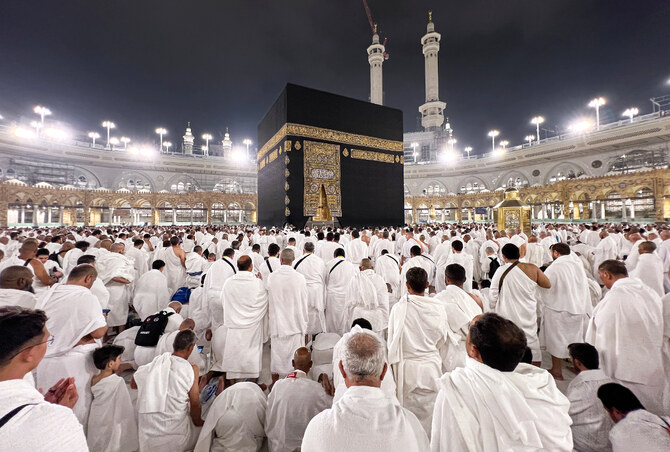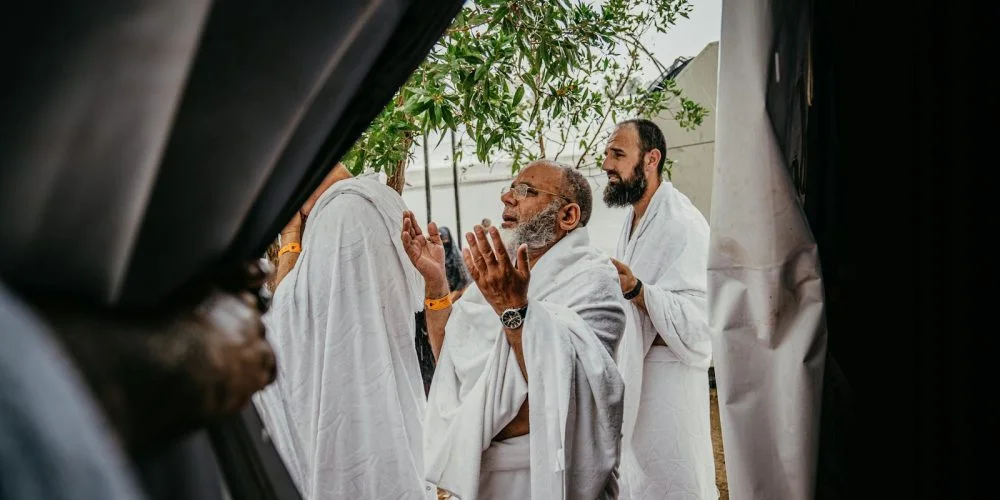
Miqat (ميقات) refers to the designated boundary points that a pilgrim must not cross without entering the state of Ihram when intending to perform Hajj or Umrah. These sacred points were set by the Prophet Muhammad ﷺ to organize the pilgrimage journey and ensure that every pilgrim begins their worship with intention, purity, and preparation.
Understanding Miqat is essential for every pilgrim, as crossing it without Ihram requires compensation and can affect the validity of the pilgrimage. These boundaries are not just geographical points—they represent the official spiritual entry into the sacred journey.
The Importance of Miqat in Islam
The Miqat marks the transition from ordinary travel into sacred worship. Once a pilgrim reaches or passes a Miqat point, they must already be in Ihram or enter it immediately.
This rule applies whether the pilgrim is traveling by land, air, or sea. It ensures that every person entering Makkah does so with awareness, humility, and readiness for worship.
The Prophet ﷺ clearly defined these points for different regions so that no pilgrim enters the sacred zone without proper preparation.
The Five Main Miqats for Hajj and Umrah
There are five primary Miqat locations, each assigned to specific regions of the Muslim world. These were established through authentic hadith and later administrative guidance during the time of the companions.
According to Ibn Abbas (RA), the Prophet ﷺ said:
Allah’s Messenger ﷺ fixed Dhul Hulayfah for the people of Madinah, Al-Juhfah for the people of Sham, Qarn al-Manazil for Najd, and Yalamlam for Yemen. These are the designated Miqats for those regions and anyone passing through them intending Hajj or Umrah.
Dhul Hulayfah (Abyar Ali) – Miqat of Madinah
Dhul Hulayfah is the Miqat for pilgrims coming from Madinah and northern regions. It is located approximately 18 km from Masjid al-Nabawi and about 410 km from Makkah.
This is often the first Miqat encountered by pilgrims starting their journey from the blessed city of the Prophet ﷺ. Many pilgrims stop here to enter Ihram in a peaceful, structured environment before continuing toward Makkah.
Al-Juhfah (Rabigh) – Miqat for Western and International Travelers
Al-Juhfah is located northwest of Makkah and serves pilgrims arriving from Europe, North America, North Africa, Turkey, and other western regions.
Due to modern travel routes, many pilgrims now enter Ihram at Rabigh, which is close to the original location of Al-Juhfah. This Miqat is commonly used by air travelers arriving via Jeddah.
Qarn al-Manazil (As-Sayl) – Miqat for Najd and Eastern Regions
Qarn al-Manazil is located east of Makkah near Ta’if and serves pilgrims from Najd and several eastern countries such as Pakistan, India, Malaysia, Australia, Oman, and surrounding regions.
It is one of the most frequently used Miqats due to the large number of pilgrims arriving from Asia and the Pacific.
Dhat Irq – Miqat for Northern and Eastern Pilgrims
Dhat Irq is located northeast of Makkah and was designated during the time of Caliph Umar ibn al-Khattab (RA) when new regions were incorporated into the Islamic state.
It serves pilgrims coming from Iraq, Iran, China, and other northern territories. It ensures that all pilgrims have a defined entry point regardless of their travel direction.
Yalamlam – Miqat for Southern Regions
Yalamlam is located south of Makkah and serves pilgrims from Yemen and surrounding southern regions, including parts of Africa such as Nigeria and South Africa.
It is one of the major Miqats used by pilgrims traveling by sea or from southern flight routes.
Al-Hil – The Intermediate Zone
Al-Hil is the area between the Miqat boundaries and the Haram of Makkah. It includes cities such as Jeddah, Taneem, and Khulais.
Pilgrims already inside Al-Hil must enter Ihram before crossing into the Haram if they intend to perform Umrah. If entering Makkah for non-worship purposes, Ihram is not required.
The Haram Boundary of Makkah
The Haram is the sacred zone surrounding Makkah where special rules apply. Within this boundary, certain actions are prohibited, including hunting, cutting plants, and engaging in conflict.
Violations within the Haram require expiation (Damm or Sadaqah), highlighting the sanctity of this blessed area.
Key entry points include:
- Taneem (Masjid Aisha)
- Ji’ranah
- Hudaibiyah
- Arafat boundary areas
- Wadi Nakhla and surrounding zones
These locations are often used by pilgrims re-entering Makkah for additional Umrah.
Miqat and Madinah Journey
Pilgrims departing from Madinah usually enter Ihram at Masjid Dhul Hulayfah before continuing to Makkah. Many choose to wear Ihram garments at their hotel or mosque before departure.
For train or road travel, announcements are made before reaching the Miqat, allowing pilgrims to prepare in advance. This ensures that intention (niyyah) is made at the correct time without rushing.
Madinah serves as a spiritual preparation point, allowing pilgrims to reflect, pray, and prepare before entering the sacred state of Ihram.
Miqat Rules for Jeddah and Air Travelers
Jeddah is a major entry point for international pilgrims, especially those arriving by air. However, Jeddah itself is not a Miqat for most travelers.
Pilgrims must either:
- Enter Ihram before boarding the plane
- Or assume Ihram at the correct Miqat (such as Al-Juhfah) during the journey
Entering Ihram in Jeddah without being a resident requires compensation (Damm), as it is beyond the Miqat boundary.
Airlines often announce the approaching Miqat, allowing pilgrims to make their intention mid-flight if not already in Ihram.
Entering Ihram by Air – Practical Guidance
For air travel, the safest and most recommended method is to enter Ihram before departure. This can be done at home, at the airport, or in designated prayer rooms.
Islamic airlines usually notify passengers when approaching the Miqat, giving time to prepare. However, relying solely on in-flight announcements is not ideal, and preparation beforehand is strongly encouraged.
Conclusion
Miqat is more than a boundary—it is the official spiritual gateway to Hajj and Umrah. It reminds every pilgrim that this journey begins with discipline, intention, and obedience to Allah’s commands.
By understanding and respecting Miqat rules, pilgrims ensure that their journey starts correctly, their worship is valid, and their hearts are fully prepared for the sacred experience of visiting Makkah.