Traveling through Islamic historical sites is not ordinary tourism, it is a deep spiritual journey that connects the heart to the earliest moments of Islam. Every mountain, mosque, and ancient city carries the memory of Prophets, companions, and generations who shaped the foundation of the Muslim world.
When a believer visits these places with reflection and intention, history becomes alive. You are not just seeing locations—you are standing where divine revelations began, where struggles for faith took place, and where the early Muslim community was built with sacrifice and sincerity.
This form of travel strengthens:
- Spiritual awareness and connection to Allah
- Understanding of Islamic history beyond books
- Emotional connection to the Prophet ﷺ and companions
- Gratitude for the preservation of Islam through generations
Makkah: The Sacred Beginning of Islamic History
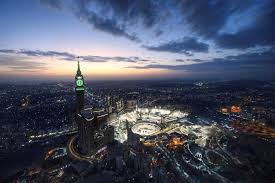
Makkah is not just a city—it is the spiritual birthplace of Islam and the center of monotheism since the time of Prophet Ibrahim (AS). Every corner of Makkah carries deep historical meaning tied to revelation, sacrifice, and divine guidance.
Masjid al-Haram and the Kaaba: The Heart of Global Worship
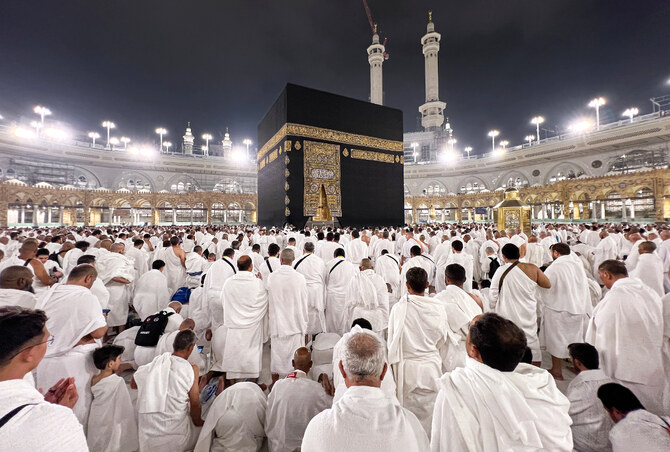
At the center of Makkah stands the Kaaba, the most sacred structure in Islam and the direction of prayer for Muslims worldwide. It was originally built by Prophet Ibrahim (AS) and his son Ismail (AS) as a house dedicated purely to the worship of Allah.
Standing in Masjid al-Haram during Tawaf is a powerful experience where millions of believers circle the Kaaba in unity, symbolizing equality, devotion, and submission to Allah.
This site represents:
- The unity of the Muslim Ummah
- The foundation of monotheistic worship
- The spiritual center of Islam for all generations
Jabal al-Nour and the Cave of Hira: The Beginning of Revelation
Rising above Makkah is Jabal al-Nour, the Mountain of Light, home to the Cave of Hira. This is the place where Prophet Muhammad ﷺ received the first revelation of the Quran through Angel Jibreel (AS).
This moment marked the beginning of Islam’s transformation of the world.
Visiting this mountain allows reflection on:
- The beginning of divine guidance for humanity
- The importance of solitude, reflection, and sincerity
- The patience and preparation of the Prophet ﷺ before prophethood
The climb itself is physically challenging, reminding visitors of the effort and dedication required in seeking truth and spiritual elevation.
Jabal Thawr: A Story of Trust, Fear, and Divine Protection
Located south of Makkah, Jabal Thawr is where Prophet Muhammad ﷺ and Abu Bakr (RA) sought refuge in the Cave of Thawr during the Hijrah to Madinah. This moment represents one of the most powerful examples of trust in Allah in Islamic history.
As enemy search parties approached, the Prophet ﷺ and Abu Bakr (RA) remained hidden in the cave for three nights while Allah protected them in miraculous ways.
This site teaches:
- Absolute trust in Allah during danger
- The strength of companionship and loyalty
- That divine protection exists even in moments of fear
Madinah: The City of Peace, Faith, and Prophetic Legacy
Madinah is where Islam transitioned from persecution to establishment. It is the city where the Prophet ﷺ built the first Muslim society, strengthened brotherhood, and laid the foundation of an Islamic community.
Unlike Makkah’s intensity, Madinah carries a feeling of calmness, mercy, and spiritual peace.
Masjid an-Nabawi: The Heart of Madinah and the Prophet’s Legacy
Masjid an-Nabawi is one of the holiest mosques in Islam and the resting place of Prophet Muhammad ﷺ. It is a place where millions of believers come to pray, reflect, and connect emotionally with the life of the Prophet.
Inside this sacred mosque lies Al-Rawdah, described in hadith as a garden from the gardens of Paradise.
Visiting this mosque allows reflection on:
- The life, struggles, and teachings of the Prophet ﷺ
- The formation of the early Muslim community
- The importance of mercy, leadership, and unity
Spiritual Reflection Upon Entering Masjid an-Nabawi
اللّهُمَّ صَلِّ عَلَى مُحَمَّدٍ وَآلِ مُحَمَّد
“O Allah, send blessings upon Muhammad and the family of Muhammad.”
Masjid Quba: The First Mosque Built in Islam
Located on the outskirts of Madinah, Masjid Quba holds the honor of being the first mosque built in Islamic history. The Prophet ﷺ himself participated in its construction after migrating from Makkah.
It symbolizes:
- The beginning of structured Muslim worship
- Simplicity and sincerity in building faith
- The importance of community and cooperation
A visit here connects travelers to the earliest physical foundation of Islam.
Mount Uhud: Lessons in Sacrifice and Patience
Mount Uhud is one of the most significant historical sites in Madinah, marking the location of the Battle of Uhud. It is where many companions of the Prophet ﷺ were martyred while defending Islam.
This mountain stands as a silent witness to:
- The sacrifices made for the preservation of faith
- The reality of trials and human mistakes
- The importance of obedience and patience in hardship
Standing here encourages deep reflection on resilience and commitment to belief.
Islamic Heritage Beyond Arabia: A Global Legacy
Islamic civilization expanded far beyond Makkah and Madinah, leaving behind a vast legacy of knowledge, architecture, and spirituality across continents.
Jerusalem (Al-Quds): The Blessed Land of Prophets
Masjid Al-Aqsa in Jerusalem is one of the three holiest mosques in Islam and the destination of the Prophet’s ﷺ miraculous Night Journey (Isra and Mi’raj). It connects Muslims to the legacy of multiple Prophets and deep spiritual significance.
Cairo: The Heart of Islamic Scholarship
Cairo, especially Al-Azhar Mosque, represents centuries of Islamic learning, scholarship, and preservation of knowledge. It remains one of the most influential centers of Islamic education in the world.
Baghdad and Samarra: The Golden Age of Islamic Civilization
Once the intellectual capitals of the Islamic world, these cities were centers of science, philosophy, architecture, and innovation during the Islamic Golden Age, shaping global civilization for centuries.
Practical Advice for Meaningful Islamic Travel
To make Islamic historical travel more meaningful and spiritually rewarding:
- Study the history of each site before visiting
- Keep a journal of reflections and insights
- Maintain respect for sacred locations
- Recite dhikr and make sincere dua during visits
- Focus on learning, not just sightseeing
Spiritual Benefits of Traveling Through Islamic History
Visiting Islamic historical sites transforms knowledge into experience and emotion into understanding. It strengthens faith in a deeply personal way.
Key benefits include:
- Stronger emotional connection to Islamic history
- Greater appreciation for the sacrifices of early Muslims
- Increased humility and gratitude
- A renewed sense of purpose and faith
Turning History into Living Faith
Islamic historical travel is not just about exploring places, it is about walking through the living memory of Islam. Every site tells a story of faith, patience, struggle, and divine guidance.
When approached with sincerity, these journeys remind believers that Islam was built through sacrifice and preserved through unwavering belief.
In the end, every step taken through these sacred places becomes a step closer to understanding the depth, beauty, and strength of Islam itself.