When planning an Umrah journey, most people focus on visas, flights, and packages. But one of the most overlooked decisions — your hotel distance from Masjid al-Haram — often has the biggest impact on your entire experience.
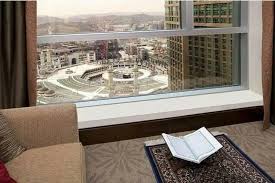
In Makkah, distance is not just measured in kilometers. It is measured in energy, crowd intensity, walking difficulty, and time lost in movement. A hotel that looks “close” on a map can feel very different once you are navigating real crowds, heat, and prayer timings.
This guide explains why hotel location matters more than most pilgrims realize and how to choose the right option for your journey.
Why Hotel Distance Is a Critical Decision in Makkah
Unlike normal travel destinations, Makkah operates on a completely different rhythm during Umrah and Hajj seasons.
Pilgrims move between:
- Hotel → Masjid al-Haram
- Masjid al-Haram → Hotel
- Hotel → meals, rest, and back again
This cycle happens multiple times a day.
Now imagine:
- Walking this route once is fine
- Walking it 4–6 times daily becomes exhausting
This is where hotel distance starts to shape your entire experience.
Even a difference of 300–500 meters can significantly change fatigue levels, especially during peak seasons.
The Reality of Walking in Makkah (What Maps Don’t Show)
On paper, distances look simple. In reality, walking in Makkah involves several hidden factors:
1. Heat and Weather Conditions
- High temperatures can make short walks feel longer
- Humidity increases fatigue
- Night walking is easier but still crowded
2. Crowd Density
- Before and after prayers, streets become extremely congested
- Walking speed slows down significantly
- You may stop frequently due to human traffic flow
3. Controlled Movement Routes
- Some areas have barriers or guided walking routes
- You may not always walk in a straight line
- Detours can add extra minutes without notice
4. Elevation and Building Access
- Many hotels require elevator waiting time
- Large hotel complexes slow down entry/exit
- Reaching ground level itself can take time
Very Close Hotels (0–300 meters from Haram)
These hotels are usually around the Clock Tower complex and immediate surroundings.
✔️ Advantages
- Extremely fast access to Masjid al-Haram
- Easy return between prayers
- Ideal for elderly or physically limited pilgrims
- Minimal walking fatigue
- More flexibility for prayer timing
❌ Challenges
- Higher cost
- Extremely crowded streets at all times
- Long elevator queues in peak hours
- Noise and constant movement outside
👤 Best suited for:
- Elderly pilgrims
- Short Umrah trips
- Travelers prioritizing comfort and convenience
Medium Distance Hotels (300m – 1km)
This is the most commonly booked category for Umrah packages.
✔️ Advantages
- Balanced cost and convenience
- Manageable walking distance for most people
- Slightly less congested than immediate Haram zone
- More hotel options and availability
❌ Challenges
- Multiple daily walks can become tiring
- Walking after long Tawaf sessions feels harder
- Crowds increase significantly during Salah timings
- Requires good time planning
👤 Best suited for:
- Families
- First-time Umrah pilgrims
- Moderate budget travelers
Far Hotels (1km and beyond)
These hotels are located further away from the central Haram area.
✔️ Advantages
- More affordable pricing
- Larger rooms and better space in many cases
- Less crowded hotel surroundings
- Better availability during peak seasons
❌ Challenges
- Long walking distances or shuttle dependency
- Fatigue builds up quickly over multiple trips
- Time management becomes essential
- Risk of missing prayers if not planned properly
👤 Best suited for:
- Budget travelers
- Long-stay pilgrims
- Physically active individuals comfortable with walking
How Hotel Distance Affects Your Entire Umrah Experience
Your hotel choice influences much more than just walking time. It affects your:
1. Daily Schedule
- Fajr: early movement required
- Dhuhr/Asr: heat increases difficulty
- Maghrib/Isha: crowd peaks affect timing
2. Spiritual Focus
- Fatigue can reduce concentration in worship
- Stress from walking can affect spiritual calmness
- Close hotels allow more time inside Haram
3. Rest and Recovery
- Close hotel = easy breaks between prayers
- Far hotel = longer recovery time needed after each trip
4. Meals and Hydration
- Distance affects how often you return for food and water
- Missing meals can lead to exhaustion
Common Mistakes Pilgrims Make
Many pilgrims only realize these issues after arrival:
❌ Choosing only based on price
Saving money on hotel can lead to daily physical exhaustion.
❌ Ignoring elderly or children needs
Distance matters significantly more for vulnerable travelers.
❌ Underestimating crowd delays
A “10-minute walk” can become 25–30 minutes during peak times.
❌ Not planning multiple daily trips
Pilgrims often return to hotel 3–5 times a day without realizing the impact.
Smart Hotel Selection Strategy
Instead of choosing randomly, use this simple framework:
Choose Close Hotel If:
- You want maximum comfort
- You are elderly or traveling with elderly parents
- You prefer frequent breaks
- Budget is flexible
Choose Medium Distance If:
- You want balance between cost and comfort
- You are healthy and moderately active
- You are traveling as a family group
Choose Far Hotel If:
- You are budget-conscious
- You are physically active
- You can plan strict schedules
Pro Tip Most Pilgrims Don’t Know
The real challenge is not one walk to Haram, but:
Repeating that walk multiple times daily under heat and crowds.
This is why hotel distance becomes more important than expected — it compounds over time.
Hotel distance in Makkah is not just a travel detail , it is a core factor that shapes your entire Umrah experience.
It affects your energy, time, comfort, and even how deeply you can focus on worship. While many pilgrims only realize this after arriving, planning it correctly in advance can completely change the quality of your journey.
A well-chosen hotel allows you to spend more time in Masjid al-Haram, reduce stress, and experience Umrah with greater ease and spiritual presence.