Introduction
Performing Umrah is a deeply spiritual journey that transforms the heart and strengthens faith. However, alongside spiritual readiness, physical health preparation is essential for a safe and comfortable experience.
Every year, millions of pilgrims arrive in Makkah and Madinah from different climates, ages, and health conditions. The combination of extreme heat, crowded environments, long walking distances, and disrupted sleep schedules can place significant strain on the body.
For this reason, the Saudi Ministry of Health issues updated pilgrimage health guidelines to reduce the spread of infectious diseases and protect pilgrims from avoidable health risks.
This Complete Umrah 2026 Health Guide is designed to help you prepare realistically, not theoretically, so you can focus fully on your worship without unnecessary health concerns.
Why Health Preparation is Critical for Umrah
Umrah is physically more demanding than many pilgrims expect. Even healthy individuals can experience fatigue or illness if they are not prepared.
During Umrah, pilgrims typically:
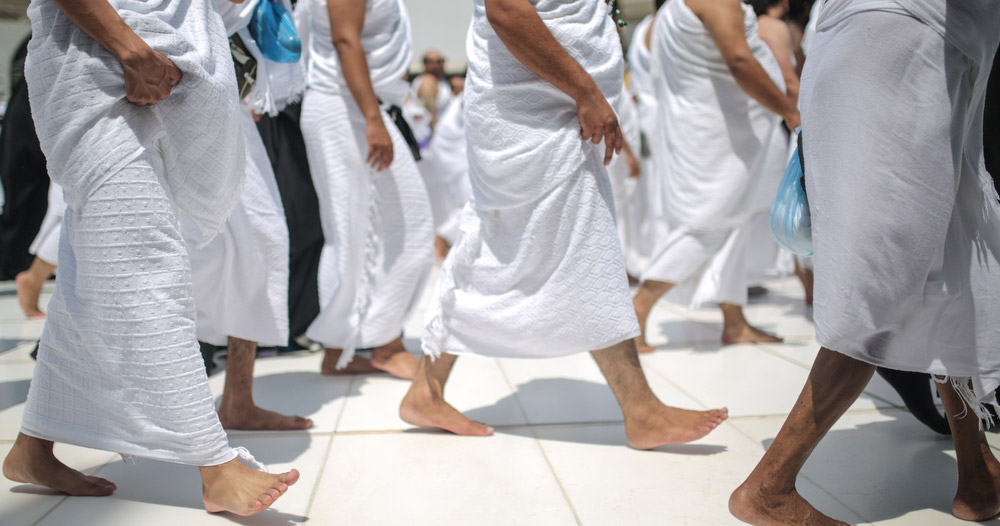
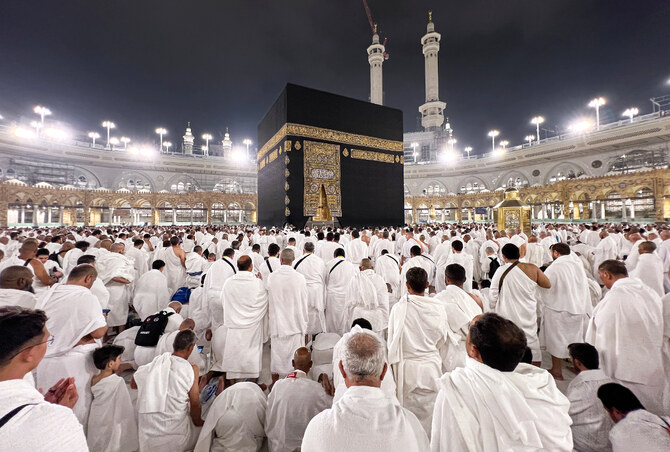
• Walk long distances daily between hotels and the Haram • Spend extended time in crowded environments • Perform rituals under direct sun exposure • Experience disrupted sleep and meal schedules • Share high-contact public spaces with millions of people
These conditions increase the risk of:
• Heat exhaustion and dehydration • Viral respiratory infections such as flu or COVID • Foot pain, muscle fatigue, and joint strain • Digestive issues from unfamiliar food or water changes • Worsening of chronic conditions like diabetes or asthma
The goal of health preparation is not just prevention of illness, but ensuring that your energy and focus remain on worship, not discomfort.
A meaningful reminder:
“Your health is part of your ability to worship Allah. Take care of it with gratitude.”
Mandatory Vaccines for Umrah 2026
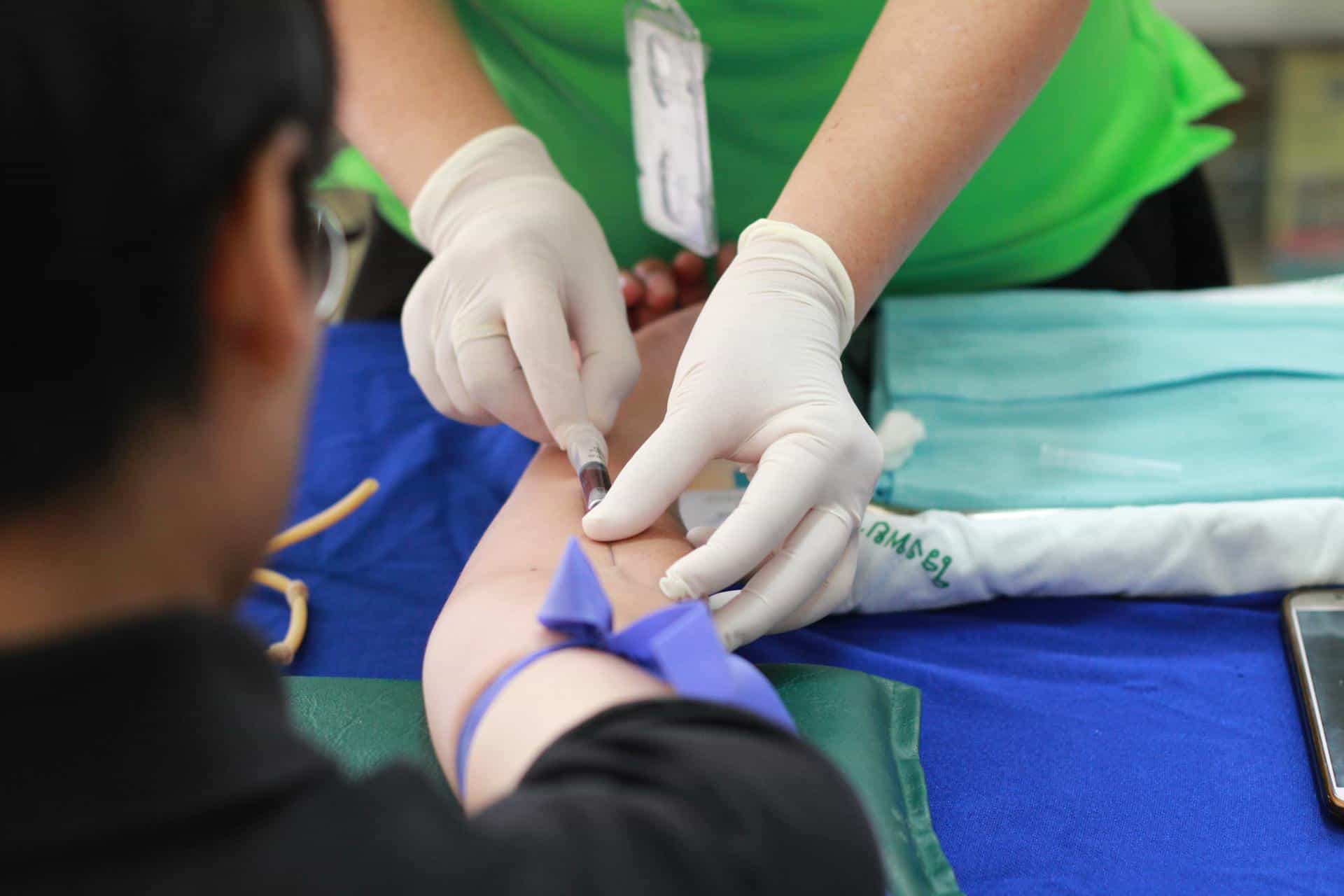
Saudi Arabia enforces strict vaccination rules to protect pilgrims and local communities. These requirements are not optional and must be completed before arrival.
Meningococcal Meningitis Vaccine
This is the most important required vaccine for Umrah pilgrims.
• Required for all pilgrims aged 1 year and above • Must be taken at least 10 days before travel • Valid for up to 5 years depending on vaccine type • Protects against meningitis, which spreads rapidly in crowded environments
This vaccine is especially important because the density of pilgrims in places like Tawaf and Sa’i can significantly increase transmission risk.
Polio Vaccine
• Required for pilgrims arriving from polio-affected or high-risk countries • Must be administered within 12 months before travel • Proof must be recorded in the International Vaccination Certificate
In some cases, Saudi health authorities may administer an additional dose on arrival as a precautionary measure.
Yellow Fever Vaccine
• Required for travelers from countries where yellow fever is present • Must be taken at least 10 days before travel • Must be documented in a WHO-approved vaccination certificate • Provides lifetime protection once administered
Failure to present valid proof may result in quarantine or entry restrictions.
Recommended Vaccines for Better Protection
While not mandatory for all pilgrims, these vaccines are strongly advised for reducing health risks during travel.
Seasonal Influenza Vaccine
The flu spreads easily in crowded environments such as airports, hotels, and the Haram.
Highly recommended for:
• Elderly pilgrims • Pregnant women • Children • People with chronic illnesses such as asthma, diabetes, or heart disease
It significantly reduces the risk of severe flu symptoms during your stay.
COVID-19 Booster Vaccine
Although global restrictions have eased, respiratory infections remain a concern in crowded spaces.
A booster dose helps:
• Reduce risk of infection • Lower severity of symptoms • Protect vulnerable individuals
When to Start Vaccination Planning
Proper timing is essential. Many pilgrims make the mistake of delaying vaccinations.
Ideal preparation timeline:
6 weeks before travel Consult your doctor, review medical history, and check required vaccines based on your country of departure.
3 to 4 weeks before travel Receive all mandatory and recommended vaccinations so your body has time to build immunity.
1 to 2 weeks before travel Collect your official vaccination certificates and verify all documentation.
Day of travel Keep all medical documents in your hand luggage for immigration checks.
Essential Health Risks During Umrah
Understanding real risks helps you prepare better.
Heat and Dehydration
Makkah can experience extreme temperatures, especially during midday. Combined with walking and physical exertion, dehydration can occur quickly.
Warning signs include:
• Headache • Dizziness • Dry mouth • Weakness • Confusion in severe cases
Crowded Environment Infections
Millions of people from around the world gather in one space, increasing exposure to airborne viruses.
Physical Fatigue
Long rituals, standing for extended periods, and continuous walking can lead to muscle fatigue and joint pain.
Food Related Issues
Changing diet, unfamiliar spices, or improper food handling may cause stomach discomfort or infections.
Practical Health Protection Tips
Stay Hydrated Continuously
Do not wait until you feel thirsty. Drink small amounts of water regularly throughout the day. Zamzam water is an excellent source of hydration within the Haram.
Protect Yourself in Crowds
Wear a face mask in crowded spaces such as Tawaf, Sa’i, and transport areas. This reduces exposure to airborne infections.
Maintain Strict Hand Hygiene
Always sanitize hands after touching railings, doors, shoes, or public surfaces. Carry a small sanitizer bottle at all times.
Avoid Peak Heat Hours
If possible, perform Umrah rituals during early morning or late night when temperatures are lower and crowds are slightly reduced.
Carry a Personal Medical Kit
Your kit should include:
• Prescription medications • Pain relievers • Electrolyte or ORS packets • Antacids or digestive medicine • Plasters for blisters
Rest is Part of Worship Preparation
Many pilgrims underestimate fatigue. Taking breaks between rituals helps maintain energy and prevents injury or exhaustion.
Quick Vaccine Overview
Meningococcal vaccine Required for all pilgrims At least 10 days before travel Valid up to 5 years
Polio vaccine Required for high-risk countries Within 12 months Certificate required
Yellow fever vaccine Required for affected regions At least 10 days before travel Lifetime validity
Final Health Guidance for Umrah 2026
Good health preparation is not only a medical necessity but also a spiritual enabler. When your body is strong, your heart and mind can focus fully on worship without distraction.
Simple habits such as hydration, hygiene, vaccination, and rest can make the difference between a difficult journey and a peaceful, spiritually uplifting experience.
May Allah grant every pilgrim strength, safety, and an accepted Umrah filled with ease and blessings.