Understanding the Spiritual Importance of Ziyarat
Ziyarat refers to visiting sacred and historical Islamic sites connected to the life of Prophet Muhammad (PBUH), his companions, and earlier prophets. It is not a mandatory part of Hajj or Umrah, but it is a deeply meaningful practice that allows pilgrims to connect with Islamic history on a spiritual level.
Each ziyarat site is more than a physical location—it is a reminder of faith, sacrifice, patience, revelation, and divine guidance. Visiting these places encourages reflection, strengthens belief, and deepens love for Allah and His Messenger (PBUH).
A mindful ziyarat journey helps pilgrims:
- Strengthen spiritual awareness
- Reflect on the lives of prophets and companions
- Increase gratitude and humility
- Deepen connection with Islamic history
- Gain emotional and spiritual peace
Essential Ziyarat in Makkah
Masjid al-Haram and the Holy Kaaba
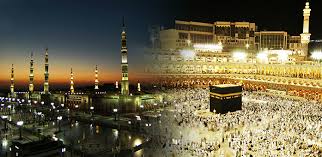
Masjid al-Haram is the holiest place in Islam, and the Kaaba stands at its center as the Qiblah for Muslims worldwide. Performing Tawaf around the Kaaba is one of the most powerful spiritual experiences a pilgrim can have.
It is a moment of complete submission, unity, and devotion to Allah, where believers from all over the world stand equal before their Creator.
Spiritual reflection:
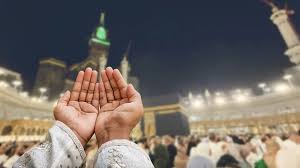
رَبَّنَا آتِنَا فِي الدُّنْيَا حَسَنَةً وَفِي الْآخِرَةِ حَسَنَةً وَقِنَا عَذَابَ النَّار
“Our Lord, grant us goodness in this world and goodness in the Hereafter, and protect us from the punishment of the Fire.”
Maqam Ibrahim
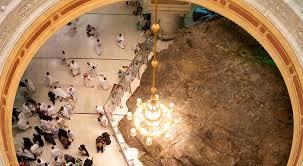
This sacred site marks the place where Prophet Ibrahim (AS) stood while building the Kaaba. It represents obedience, sacrifice, and unwavering faith in Allah’s command.
Pilgrims pray near this station as a reminder of dedication and submission to divine will.
Zamzam Well
The water of Zamzam is a symbol of Allah’s mercy and provision. It was miraculously provided for Hajar (AS) and her son Ismail (AS) in the desert.
Drinking Zamzam is not just physical refreshment but a spiritual act filled with gratitude and intention.
Dua before drinking Zamzam:
اللّهُمَّ اجْعَلْهُ شِفَاءً وَرِزْقًا لِي “O Allah, make it a source of healing and provision for me.”
Jabal al-Nour (Cave of Hira)
This is the mountain where Prophet Muhammad (PBUH) received the first revelation of the Quran. It marks the beginning of prophethood and the start of divine guidance for humanity.
Visiting this site encourages deep reflection on patience, solitude, and the importance of seeking truth.
Jabal Thawr
The cave of Thawr is where the Prophet (PBUH) and Abu Bakr (RA) sought refuge during the migration to Madinah. Despite danger, Allah protected them, showing the power of trust in Him.
This site teaches reliance on Allah during fear and uncertainty.
Masjid al-Jinn and Other Historic Mosques
These mosques are linked to early Islamic events and highlight the spread of Islam during the Prophet’s time. Visiting them allows pilgrims to connect with lesser-known but meaningful moments of Islamic history.
Essential Ziyarat in Madinah
Masjid an-Nabawi
The Prophet’s Mosque in Madinah is the second holiest site in Islam. It is a place of immense peace, blessings, and spiritual reward.
Pilgrims visit to pray, send salutations upon the Prophet (PBUH), and reflect on his teachings and legacy.
Dua upon visiting:
اللّهُمَّ صَلِّ عَلَى مُحَمَّدٍ وَآلِ مُحَمَّد “O Allah, send blessings upon Muhammad and the family of Muhammad.”
Rawdah (The Blessed Garden)
Located within Masjid an-Nabawi, the Rawdah is described as a garden from Paradise. Prayers here carry great spiritual significance and are deeply cherished by pilgrims.
It is a place of intense reflection, peace, and connection with Allah.
Jannat al-Baqi
This historic cemetery contains the graves of many companions, family members of the Prophet (PBUH), and early Muslims. Visiting it reminds pilgrims of the reality of life and the importance of preparing for the Hereafter.
It is a place of humility, prayer, and remembrance.
Masjid Quba
The first mosque built in Islam, Masjid Quba holds special virtue. The Prophet (PBUH) himself used to visit it regularly.
Praying here is highly rewarding and symbolizes purity and devotion from the earliest days of Islam.
Masjid Qiblatain
This mosque marks the moment when the Qiblah was changed from Jerusalem to the Kaaba in Makkah. It represents obedience to Allah’s command and unity in worship.
Mount Uhud
The site of the Battle of Uhud is a powerful reminder of sacrifice, patience, and lessons in obedience. The martyrs buried here are honored companions of the Prophet (PBUH).
Pilgrims reflect on courage, loss, and unwavering faith.
Other Historic Mosques of Madinah
Mosques such as Masjid al-Ghamama and Masjid Abu Bakr are connected to the Prophet’s life and early Islamic history. Visiting them helps pilgrims understand the growth of Islam in Madinah.
Practical Etiquette for Ziyarat
To make your ziyarat meaningful and respectful:
- Maintain calmness, humility, and proper behavior
- Avoid rushing; take time for reflection
- Learn basic duas before visiting each site
- Respect local rules and crowd guidance
- Dress modestly and remain clean
- Carry water, prayer mat, and essentials
Spiritual Value of Ziyarat
Each ziyarat is an opportunity to reconnect with Islamic history and strengthen your faith. These sacred journeys are not just sightseeing—they are moments of reflection, gratitude, and spiritual awakening.
They help pilgrims return home with:
- Stronger iman (faith)
- Greater humility
- Deeper love for the Prophet (PBUH)
- A renewed commitment to Islam
- Lasting inner peace
A Journey Beyond Places
Ziyarat in Makkah and Madinah is ultimately a journey of the heart. It connects believers to the legacy of prophets and companions while reminding them of their purpose in life.
When approached with sincerity, every site becomes a lesson, every moment becomes worship, and every step becomes a reminder of Allah’s greatness.