Visiting Masjid al-Haram in Makkah is one of the most spiritually powerful experiences for any Muslim. However, due to the massive number of pilgrims entering every hour, choosing the right entry gate can significantly impact your comfort, walking distance, and overall experience.
Some gates lead directly into highly crowded central areas near the Kaaba, while others connect you to calmer routes and wider walkways. Knowing which gate to use can save time, reduce stress, and make your Umrah or Hajj experience much smoother.
This guide explains the best entry gates for Masjid al-Haram and how to use them wisely to avoid crowds.
Understanding Masjid al-Haram Entry Gates
Masjid al-Haram has dozens of entry gates located around all sides of the المسجد. These gates are connected to different levels, prayer areas, and corridors.
In general:
- Gates near the Kaaba are the most crowded
- Outer expansion gates are usually easier to access
- Some gates are better for families and elderly pilgrims
- Crowd flow changes depending on prayer times and season
Because of this, your choice of gate can make a big difference in how smoothly you enter the mosque.
Best Entry Gates to Avoid Crowds
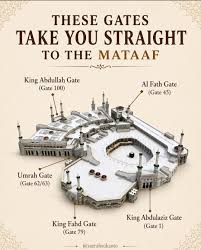
Below are some of the most practical and commonly recommended gates for easier entry and better crowd management.
King Fahd Gate (Northern Side)
The King Fahd Gate is one of the largest and most important entrances to Masjid al-Haram.
Why it’s a good choice:
- Wide entry area reduces bottlenecks
- Smooth access to upper floors
- Better crowd distribution compared to central gates
- Easy navigation for first-time visitors
Best for:
- Families and groups
- First-time Umrah pilgrims
- General entry when unsure which gate to use
Ajyad Gate (Southeast Side)
Ajyad Gate is extremely important for pilgrims staying in the Abraj Al Bait and nearby hotels.
Why it’s useful:
- Direct access from nearby hotel zones
- Less chaotic than central courtyard entrances
- Convenient for quick entry before prayers
Best for:
- Pilgrims staying near Clock Tower area
- People entering shortly before Salah
Umrah Gate (Bab al-Umrah – Northwest Side)
This is one of the most significant gates for Umrah pilgrims.
Why it’s important:
- Traditionally used for entering Umrah rituals
- Well-organized flow for pilgrims in Ihram
- Efficient movement towards Tawaf area
Best for:
- Pilgrims starting Umrah
- Those entering specifically for Tawaf
King Abdul Aziz Gate (West Side)
A major gate designed to handle large crowds efficiently.
Why it works well:
- High capacity entrance
- Good crowd management system
- Less pressure compared to central gates during peak hours
Best for:
- Peak season visits
- Organized group entries
- General access during busy times
Bab Al Fath (Northwest Side)
Bab Al Fath is often considered a calmer alternative compared to central entrances.
Why it’s helpful:
- Relatively smoother entry flow
- Less congestion during off-peak hours
- Easier movement toward prayer areas
Best for:
- Elderly pilgrims
- Those avoiding heavy crowds
- Off-peak prayer times
Practical Tips to Avoid Crowds at Masjid al-Haram Gates
Even the best gate can become crowded during peak Salah times. These tips will help you navigate better:
- Arrive 30 to 60 minutes before prayer time
- Avoid central courtyard gates during peak hours
- Use upper floors when ground level is congested
- Follow directional signs instead of crowd flow
- Shift to the next nearest gate if one is crowded
- Prefer shaded outer walkways during daytime
Small adjustments in timing and entry point can make a huge difference in your experience.
Which Gate Should You Use?
Here is a simple guide based on your situation:
- Staying near Abraj Al Bait → Ajyad Gate
- Starting Umrah → Umrah Gate (Bab al-Umrah)
- With family or group → King Fahd Gate
- Elderly or mobility needs → Bab Al Fath
- General entry → King Abdul Aziz Gate
Choosing the right entry gate at Masjid al-Haram is a small decision that can greatly improve your overall experience. Whether you are performing Umrah or visiting for prayer, selecting a less crowded and well-connected gate helps you save time, reduce stress, and focus more on your spiritual journey.
A little planning before entering the Haram can make your entire visit smoother, calmer, and more meaningful.