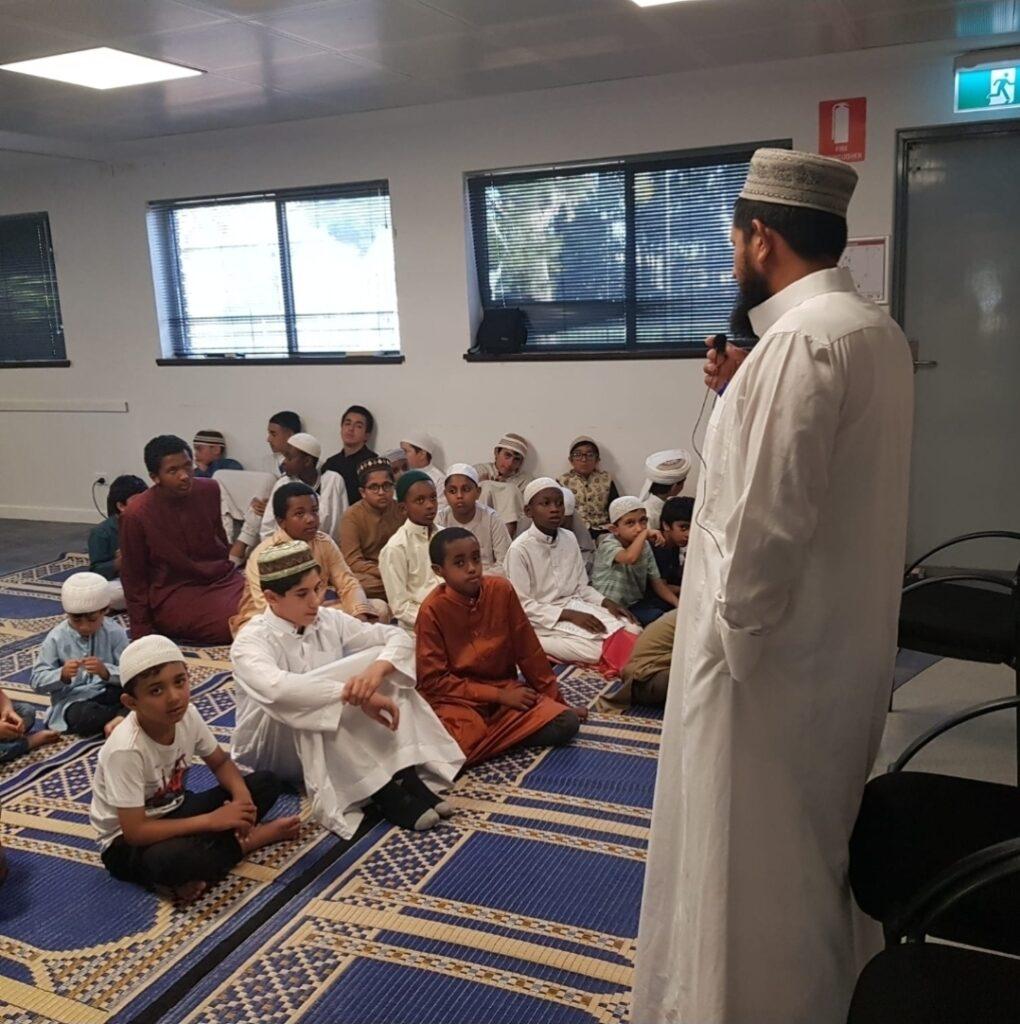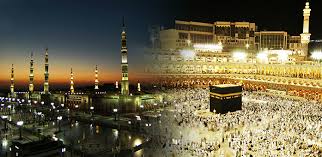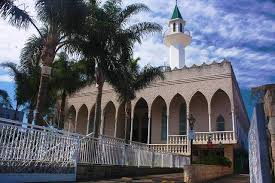
Australia is home to a growing and diverse Muslim community, with mosques and Islamic centres playing a vital role in daily worship, education, and community life. From historic mosques built decades ago to modern Islamic centres serving thousands of worshippers, these spaces are more than just prayer halls—they are community hubs, educational centres, and spiritual support systems.
This guide highlights some of the most well-known mosques across Australia and explains what makes them important for local Muslims and visiting travellers.
The Role of Mosques in Australian Muslim Life
Mosques in Australia serve many purposes beyond the five daily prayers. They are central to:
- Friday Jumu’ah prayers and sermons
- Quran classes for children and adults
- Islamic lectures and community events
- Ramadan iftar gatherings and Taraweeh prayers
- Marriage (Nikah) services
- Funeral and bereavement support
- Hajj and Umrah preparation seminars
- Youth programs and counselling services
For many Muslims, the mosque is the heart of their spiritual and social life.
1. Lakemba Mosque (Masjid Ali bin Abi Talib) – Sydney, NSW
Lakemba Mosque is one of the most well-known mosques in Australia and serves one of the largest Muslim communities in the country.
It is especially active during Ramadan, attracting thousands of worshippers for nightly prayers and community iftars.
Key features:
- Large capacity for congregational prayers
- Strong community programs
- Regular Islamic lectures
- Major Ramadan activities
2. Auburn Gallipoli Mosque – Sydney, NSW
Known for its beautiful Ottoman-style architecture, the Auburn Gallipoli Mosque is one of Sydney’s most iconic Islamic landmarks.
It was built with support from the Turkish community and represents both cultural heritage and religious identity.
Key features:
- Stunning Ottoman-inspired design
- Educational programs
- Open visits for non-Muslim guests
- Community outreach initiatives
3. Holland Park Mosque – Brisbane, QLD
One of Brisbane’s key Islamic centres, Holland Park Mosque serves a diverse Muslim population from many cultural backgrounds.
It plays an important role in community education and regular prayer services.
Key features:
- Daily prayers and Jumu’ah services
- Community Islamic classes
- Strong local engagement
- Accessible location for Brisbane Muslims
4. Kuraby Mosque (Brisbane Muslim Community) – Brisbane, QLD
Kuraby Mosque is one of the largest and most active Islamic centres in Queensland.
It is well known for its inclusive environment and strong community development programs.
Key features:
- Large congregation capacity
- Youth and education programs
- Regular community events
- Hajj and Umrah guidance sessions
5. Preston Mosque – Melbourne, VIC
Preston Mosque is one of Melbourne’s key Islamic centres and serves a large and diverse Muslim population.
It is actively involved in religious education and community welfare programs.
Key features:
- Daily prayers and Friday sermons
- Quran study circles
- Community support initiatives
- Active youth engagement
6. Sunshine Mosque – Melbourne, VIC
Sunshine Mosque is another important Islamic centre in Victoria, serving both local and migrant Muslim communities.
It is known for its welcoming environment and community-focused activities.
Key features:
- Multicultural congregation
- Religious education programs
- Community events and gatherings
- Support for new Muslims
7. Adelaide Mosque – South Australia
The Adelaide Mosque is one of the oldest mosques in Australia and holds significant historical importance.
Built in the 19th century, it reflects the early Muslim presence in Australia, particularly the Afghan cameleers.
Key features:
- Historic architectural significance
- Heritage site status
- Regular prayer services
- Educational tours and visits
8. Perth Mosque – Western Australia
Perth Mosque is one of the oldest functioning mosques in Australia and continues to serve the local Muslim community.
It stands as an important landmark in Western Australia’s Islamic history.
Key features:
- Historic mosque building
- Daily and Friday prayers
- Community gatherings
- Cultural significance
Why Mosques Matter Beyond Worship
Australian mosques are not just places of prayer—they are essential support systems for Muslims living in a multicultural society.
They help with:
1. Religious Education
Mosques teach Quran, Hadith, and Islamic values to children and adults.
2. Community Support
Families rely on mosques for guidance during important life events such as marriages, births, and funerals.
3. Cultural Identity
Mosques help preserve cultural and religious identity across generations.
4. Hajj and Umrah Preparation
Many mosques host seminars and workshops to prepare Muslims spiritually and practically for pilgrimage.
Visiting Mosques in Australia
Most mosques in Australia are open to visitors, especially during non-prayer hours. Visitors are expected to:
- Dress modestly
- Respect prayer times
- Remove shoes before entering prayer areas
- Maintain quiet and respectful behaviour
Many mosques also welcome interfaith visitors and school groups.
Centres of Faith, Education, and Community
Mosques across Australia play a vital role in supporting the spiritual, educational, and social needs of the Muslim community. Whether you are a local resident, new Muslim, or a traveller preparing for Hajj or Umrah, these Islamic centres provide guidance, community, and a sense of belonging.
As Australia’s Muslim population continues to grow, these mosques remain at the heart of faith, unity, and community service.