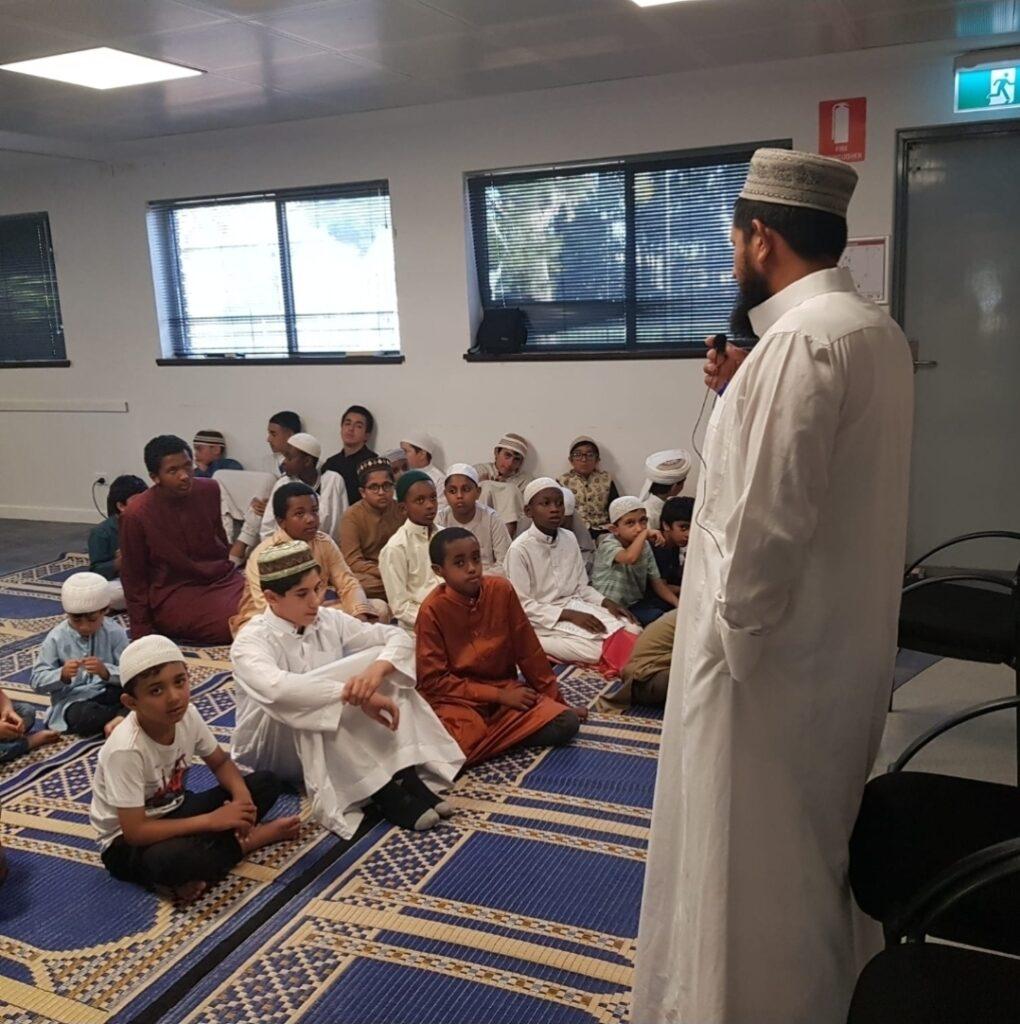
The Foundation of Islamic Parenting
The Quran provides a complete and timeless framework for raising children and building strong families. Parenting in Islam is not only about providing food, education, or comfort—it is about shaping faith, character, and emotional strength through guidance from Allah.
Children are described in the Quran as both a blessing and a responsibility (amanah). Parents are entrusted with their upbringing and will be accountable for how they nurture their children spiritually, morally, and emotionally.
A Quran-centered home is built on:
- Love, mercy, and patience between parents and children
- Consistent moral and spiritual education
- Leading by example in worship and behavior
- Teaching accountability, gratitude, and kindness
- Connecting everyday life with remembrance of Allah
Nurturing Faith and Moral Character in Children
One of the greatest responsibilities of parents is to build a strong moral foundation in their children. The Quran emphasizes good character, kindness, honesty, humility, and patience as essential traits of a believer.
Children learn more from what they see and experience than what they are told, making parental behavior the strongest form of teaching.
To nurture strong character:
- Teach honesty, respect, and empathy through daily actions
- Share meaningful stories of the Prophets and righteous people
- Practice gratitude as a family habit
- Set boundaries with calm explanation instead of anger
- Show mercy consistently, as mercy shapes mercy
A child raised in a home of good character naturally develops a strong sense of right and wrong.
Building a Daily Connection with the Quran in Family Life
A strong Islamic upbringing is rooted in regular interaction with the Quran. When children grow up hearing and engaging with the Quran daily, it becomes part of their identity and emotional comfort.
The goal is to create love for the Quran—not pressure or burden.
Ways to build Quran connection:
- Read short verses or stories together every day
- Encourage memorisation of small surahs and duas
- Explain meanings in simple, relatable language
- Connect Quran lessons to real-life situations
- Make Quran time calm, consistent, and meaningful
Quranic Dua for Righteous Offspring
رَبِّ اجْعَلْنِي وَبَنِيَّ مِنَ الصَّالِحِينَ
“My Lord, make me and my children among the righteous.” (Surah Al-Furqan 25:74)
This beautiful supplication reflects every parent’s hope for righteous, balanced, and spiritually strong children.
Raising Children with Knowledge, Curiosity, and Understanding
The Quran encourages reflection, learning, and seeking knowledge as a lifelong journey. A healthy Islamic home encourages children to explore both religious and worldly knowledge with curiosity and confidence.
Parents play a key role in shaping this mindset.
To encourage growth and curiosity:
- Answer questions patiently, even repeated ones
- Introduce Islamic stories and educational books
- Encourage reflection on nature and creation
- Support both religious and academic learning
- Celebrate curiosity instead of discouraging it
A child who is encouraged to learn grows into a confident and thoughtful individual.
Teaching Patience, Emotional Balance, and Resilience
The Quran repeatedly highlights patience (sabr) as a key quality of believers. Children must be guided to understand emotions, manage frustration, and respond to challenges with calmness and trust in Allah.
This is not achieved through strictness alone, but through guidance and emotional support.
Ways to develop resilience:
- Teach patience in everyday situations
- Use Prophetic stories as real-life examples of perseverance
- Encourage problem-solving instead of emotional reaction
- Support children during mistakes instead of shaming them
- Help them understand that hardship is part of growth
Quranic Dua for Gratitude and Strength
رَبِّ أَوْزِعْنِي أَنْ أَشْكُرَ نِعْمَتَكَ
“My Lord, inspire me to be grateful for Your blessings.” (Surah An-Naml 27:19)
This dua builds emotional balance, gratitude, and inner strength in family life.
Strengthening Family Bonds Through Worship and Shared Faith
A spiritually strong family is one where worship and remembrance of Allah are shared experiences. When children see Islam practiced naturally at home, it becomes part of their identity and comfort.
To strengthen family bonds:
- Pray together whenever possible
- Read or listen to Quran as a family
- Share reflections after Ramadan, Eid, or Islamic events
- Encourage charity and acts of kindness together
- Discuss Islamic values during daily conversations
These shared practices create emotional closeness and spiritual unity.
Raising Children with Mercy, Balance, and Quranic Wisdom
Islamic parenting is built on balance—between love and discipline, guidance and freedom, structure and compassion. The Quran repeatedly reminds parents that children are a trust from Allah, not possessions.
A Quranic approach to parenting focuses on:
- Mercy before strictness
- Guidance before punishment
- Consistency instead of perfection
- Emotional safety alongside discipline
A home guided by the Quran becomes a place of peace, learning, and spiritual growth.
A Quran-Guided Family is a Source of Lasting Peace
Raising children according to the Quran is a lifelong journey of intention, effort, and continuous learning. It is not about being perfect—it is about striving to follow Allah’s guidance with sincerity.
A Quran-centered family is one where:
- Allah is remembered daily
- Parents lead with mercy and wisdom
- Children feel emotionally safe and spiritually guided
- Faith is lived, not just taught
- Love and discipline exist in balance
Such a home becomes a source of peace in this world and reward in the Hereafter